
Boost your betting experience and get up to $200 bonus right now!
Barcelona’s fluidity on the pitch has recently been disrupted by a cloud hanging over one of their most dynamic attackers. The injury situation surrounding Raphinha has not only altered the team’s immediate lineup considerations but also triggered a tactical conundrum that head coach Hansi Flick must grapple with as the club eyes vital encounters on the domestic and European fronts. Initially pegged at just a three-week absence following a hamstring injury sustained against Oviedo, there has been a noticeable delay in the Brazilian winger’s complete return to full training sessions. This unexpected slowdown leaves fans on edge and coaching decisions fraught with uncertainty, as Barcelona searches for rhythm and potency in its attack during these crucial weeks.
While an encouraging follow-up MRI performed recently hinted at a possible comeback for the high-profile El Clásico clash against Real Madrid later in October, the risk of rushing back a player famed for his explosive bursts and sharp dribbling remains a serious concern. Even if Raphinha manages to take the bench, his fitness may be limited, prompting tactical shifts and fresh player selection questions among the staff. His role had become pivotal in Barcelona’s team strategy — supplying both width and creativity, and his prolonged absence starkly highlights how deeply his injury impacts more than just one position on the pitch.
Tactical Impact of Raphinha’s Injury on Barcelona’s Playing Style
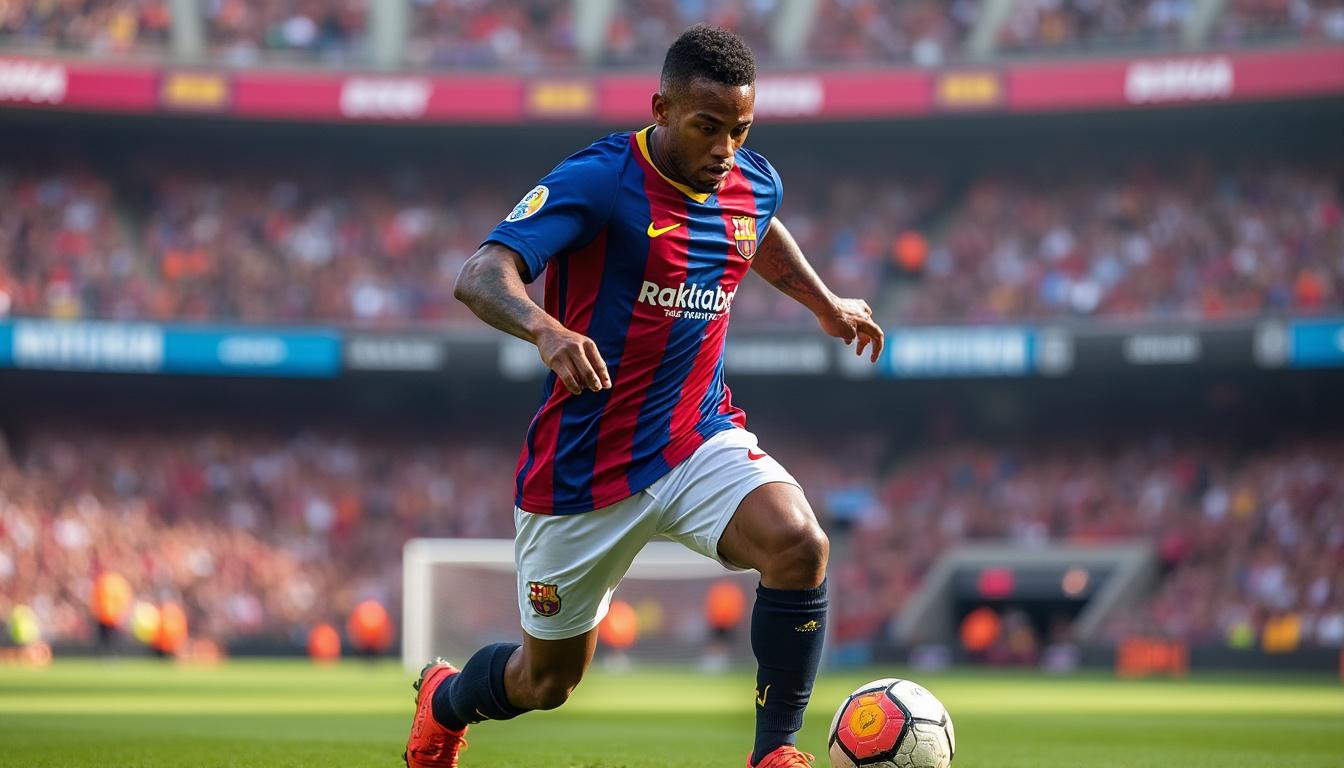
Raphinha’s injury has dealt a significant blow to Barcelona’s tactical framework, one that relies heavily on wide attacking players who can accelerate play and destabilize defenses. The Brazilian winger’s ability to sprint past defenders, combined with his sharp crossing and eye for goal, created constant threats that opponents had to constantly strategize against. Without him, Barcelona’s offensive patterns have needed adjustment — often leading to increased predictability and reduced penetrative threat down the flanks.
Under Hansi Flick’s stewardship, Raphinha was a key figure in a fluid 4-3-3 system that demanded agility and incisive forward runs from the wings. His absence has forced a rethink of the entire attacking setup. The team has seen an increased reliance on midfielders to fill the creative vacuum, while forwards have been compelled to drift wider or drop deeper than usual, disrupting the usual balance and spacing. This disruption ripples through the entire squad dynamic, affecting pressing triggers, ball circulation, and transition speed.
One vivid illustration of this tactical void was witnessed in a recent match where Barcelona lacked the traditional width that Raphinha provided, resulting in congested play through the centre. The opposition capitalized on this, crowding key zones and stifacing Barcelona’s capacity to exploit space on the break. Such tactical rigidity underlines the enormous value Raphinha contributed beyond just raw statistics: his presence shaped the team’s tempo and strategic options.
Interestingly, this situation opens up tactical experimentation. Other players are being experimented with on the wide right flank — some older wingers, some versatile midfielders thrown into the breach, and even younger prospects getting their chance. The pressing question is how to maintain the intensity and width Raphinha offered, without sacrificing defensive solidity or midfield control. In this delicate equation, every selection decision is magnified.
Selection Dilemmas: Raphinha’s Fitness and Alternatives for Key Matches
The fitness and availability of Raphinha generate an intriguing puzzle for the coaching staff as Barcelona gears up for critical fixtures. His recent MRI scan offered hope for a potential return in time to feature against Real Madrid in the heated El Clásico, as well as the Champions League group-stage match that follows swiftly. However, the medical team, mindful of past muscle injury recurrences, is advocating prudence. The challenge becomes balancing ambition and patience, a notoriously tricky line for any sports medical staff or management.
Coach Hansi Flick faces tough choices when planning lineups: should he risk integrating Raphinha, potentially as a second-half substitute to add a spark, or deploy a completely fit alternative trusted to carry out the tactical demands? These decisions are further complicated by the congested fixture list and the often brutal intensity of La Liga and European competition.
Among the notable alternatives are players capable of occupying wide attacking roles, though few replicate Raphinha’s blend of pace, directness, and creativity. The options include:
- Ansu Fati: A prodigious talent with an eye for goal and growing experience, though he is still finding full form after previous injury setbacks.
- Ousmane Dembélé: Another winger known for unpredictable bursts but injuries have consistently hampered his rhythm and reliability.
- Young academy prospects: Talents given opportunities due to necessity, yet lacking in experience at the highest level.
Such a list illustrates the delicate balance between trusting in youthful potential and relying on seasoned yet injured stars. The theme of player fitness haunting Barcelona is not new; as injury updates have repeatedly affected squad depth in various seasons (injury concerns among key players are now a pressing subject). Raphinha’s setback adds to a growing list and calls for tactical flexibility and smart rotation policies.
How Raphinha’s Injury Shapes Barcelona’s Team Strategy Amidst a Grueling Schedule
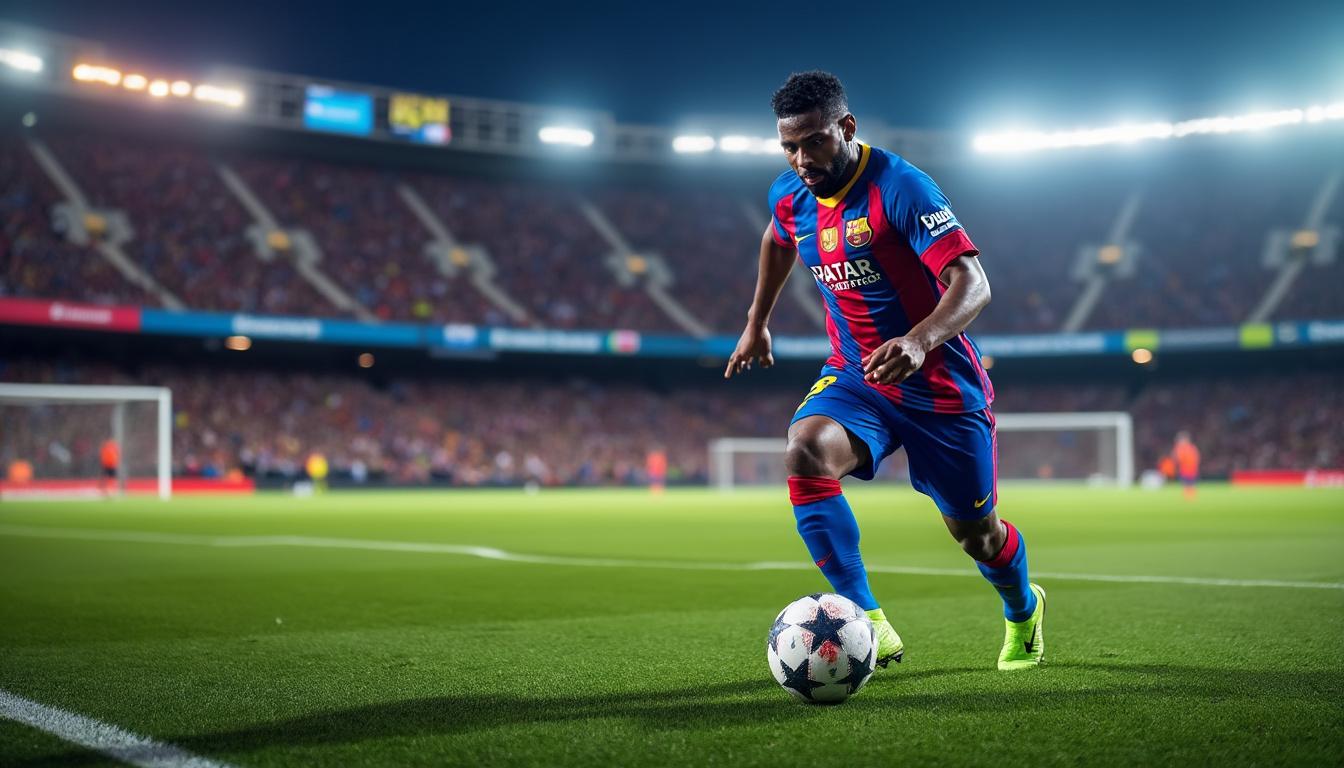
Barcelona’s packed fixture calendar in late 2025 and early 2026 further worsens the tactical headache caused by Raphinha’s injury. Director Hansi Flick’s meticulous planning must now contend with a player possibly sidelined for more than initially expected, and the potential ripple effects on team morale and performance.
The winger’s explosiveness often helped Barcelona launch swift counter-attacks, boost pace in transition phases, and apply pressing high up the field. Losing such a weapon means relying more heavily on a controlled possession game that can sometimes become sluggish against disciplined defenses. Additionally, the absence impacts the squad’s psychological makeup — teammates miss the confidence that comes from having a game-changer on the bench or in the starting lineup.
In strategizing for upcoming decisive matches, especially the famous El Clásico showdown, Barcelona’s coaching staff must identify tactical adjustments that can compensate for this loss. This includes refining midfield link-ups, encouraging wingbacks to become offensively active, and possibly introducing formations that offer greater midfield solidity while retaining attacking fluidity.
Several scenarios have been discussed in football circles, such as moving to a 4-2-3-1 temporarily, with the advanced midfielders tasked with increased creativity responsibilities normally handled by Raphinha. However, this has its risks, letting the opposition dominate wing zones.
To support such tactical experimentation, Barcelona might also explore short-term reinforcements or loan signings during the January transfer window, if the injury situation extends. This would follow patterns seen at major clubs dealing with similar injury crises (January transfer rumors often hint at such strategic moves).
Broader Implications: What Raphinha’s Situation Means for Player Fitness and Injury Management
The prolonged recovery that Raphinha faces highlights ongoing challenges regarding player fitness and injury management among elite football clubs, not just at Barcelona but globally. Hamstring injuries notoriously test the patience and scientific expertise of medical teams, given the high likelihood of reinjury if a player returns prematurely.
Barcelona’s situation exemplifies a growing paradigm shift in elite football where immediate results must be weighed against long-term player health. The club’s decision to err on the side of caution with Raphinha contrasts with instances elsewhere where premature comebacks have led to chronic issues. This cautious approach also reverberates throughout the squad, signaling to all players that health and fitness are paramount.
Moreover, this scenario opens conversations about how squad depth and rotation policies should evolve. Clubs must plan not only for match tactics but also for raw physical wellbeing, particularly in demanding leagues featuring multiple competitions. The integration of sports science, physiotherapy, and tailored recovery protocols will be critical to mitigating the sort of setbacks now haunting Barcelona.
In fact, Barcelona’s injury updates align with broader trends reported in Europe injury updates, showing an increase in muscular injuries across top leagues, linked to fixture congestion and intense playing styles. Consequently, coaches face tougher lineup decisions and tactical recalibrations week after week.
List of Key Tactical and Selection Adjustments Barcelona Faces Amid Raphinha’s Injury
- Reassessing the right-wing role: Utilizing alternatives with different skill sets to offer fresh attacking dimensions.
- Adapting formations: Shifting from the usual 4-3-3 to options like 4-2-3-1 or even 3-5-2 for increased midfield control.
- Encouraging wingback contributions: Driving greater offensive support from fullbacks to compensate for lost width.
- Player rotation: Managing minutes more carefully to reduce fatigue and risk of injury recurrence.
- Targeted match preparation: Tailoring strategies for key encounters like El Clásico and Champions League fixtures.
| Match | Date | Expected Raphinha Role | Alternative Lineup Options | Tactical Adjustments |
|---|---|---|---|---|
| Girona vs Barcelona | October 18, 2025 | Unavailable due to injury | Ansu Fati or Ousmane Dembélé starting | More central attacks, increased wingback support |
| Barcelona vs Real Madrid (El Clásico) | October 26, 2025 | Potential substitute, fitness permitting | Youth prospects or tactical reshuffle in wings | Flexible attack, focus on quick transitions |
| Barcelona vs Olympiacos (Champions League) | October 29, 2025 | Possible bench option | Experienced winger or midfield rotation | Maintaining high press with varied wingplay |
The might of Raphinha’s dribbling and his explosive impact on games have often been a spectacle for Barcelona fans. His absence poses a tactical void that the team is scrambling to fill with alternative strategies and player selections.
These tactical adjustments can be seen in recent matches, demonstrating Barcelona’s efforts to maintain competitive momentum without their Brazilian winger. The team’s adaptability will be tested as they aim to stay contenders in both La Liga and the Champions League despite fitness challenges.
Join today and grab up to $200 bonus for your next bets!
Content assisted by AI. This article was created in whole or in part with the help of artificial intelligence.