
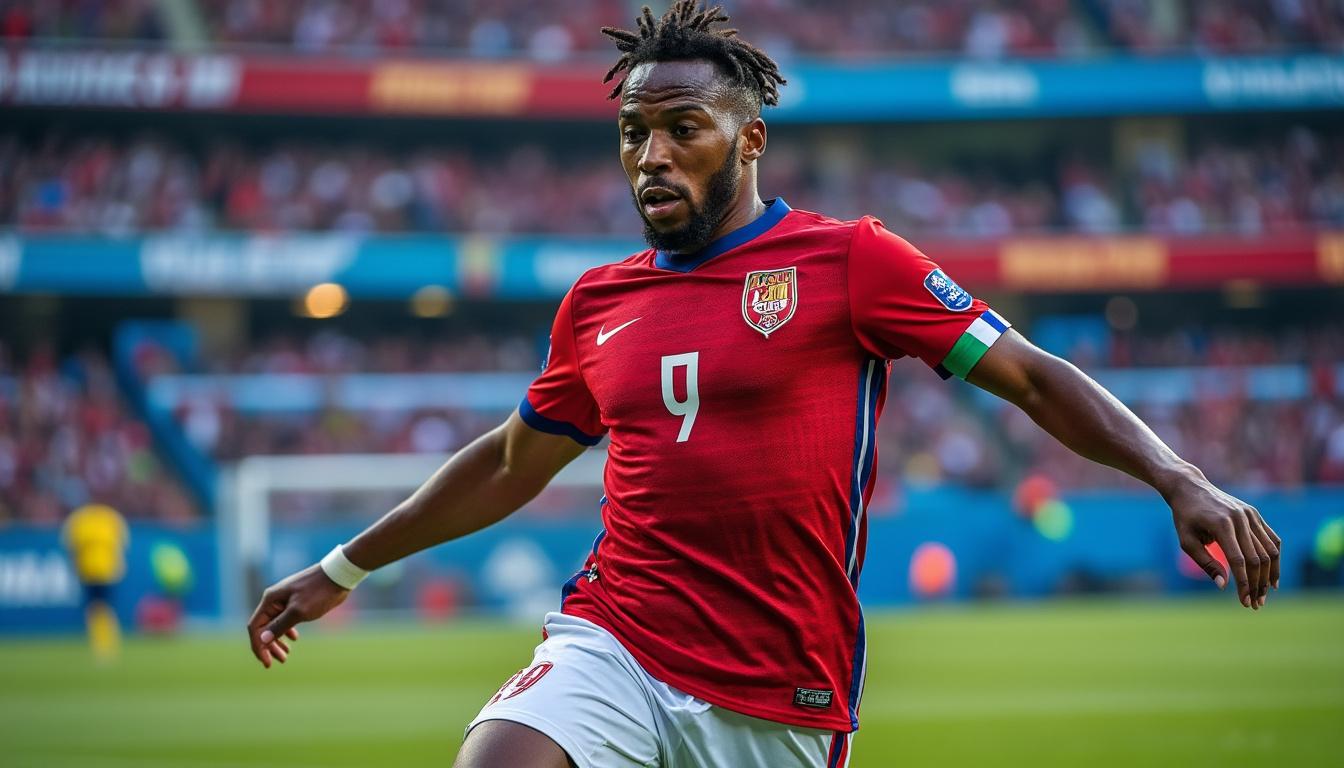
Boost your betting experience and get up to $200 bonus right now!
The World Cup 2026 is gearing up to be the most spectacular football event ever staged, not just because it returns to North America for the first time since 1994, but due to its radical transformation. Expanding from 32 to 48 teams, this tournament rewrites the rules for fans, players, and bettors alike. The ripple effects touch every corner of the competition — from matchups and tactics to betting odds and favorite nations.
Picture this: 16 groups instead of 8, new nations bursting onto the global stage, and a knockout phase deeper and more chaotic than ever. The joint hosting by the USA, Canada, and Mexico unfolds an immense stage that’s geographically vast with varying conditions — altitudes, climates, and stadium atmospheres that add unpredictable spice to every matchday. For sports betting enthusiasts, this expansion means a bonanza of new markets, live betting excitement, and shifting favorites that challenge traditional powerhouses.
In brief:
- 48 teams compete, expanding the World Cup’s scale and diversity.
- 16 groups with 3 teams each, promoting complex qualification battles and reducing collusion risks.
- 12 knockout rounds including a Round of 32, raising unpredictability.
- Host cities span USA, Canada, and Mexico, with stadiums introducing altitude, climate, and environment variations affecting matches.
- Traditional favorites like Brazil, France & England face fresh challenges from emerging dark horses such as USA and Morocco.
- Betting markets multiply—from outright winners to live in-play bets emphasizing fatigue, tactical changes, and travel effects.
- Strategic coaching and squad depth become critical given travel distances and condensed schedules.
Understanding the World Cup 2026 Expanded Tournament Format and Its Effects on Betting Strategies
The heart of the 2026 FIFA World Cup lies in its expanded tournament format. From 32 teams, bursting to
a colossal 48 teams, this new setup redefines the landscape of world football. Betting strategies must evolve, fast.
The traditional group stage has metamorphosed into 16 groups of 3 teams each, unlike the usual 4-team format. This change prevents simultaneous game endings in the final group matches, a shockwave in betting dynamics that removes synchronized information advantages. No more cheating death by watching another pitch; every team and bettor must deal with raw suspense.
This format dictates a shorter margin for error, with only one team eliminated per group. Group winners automatically progress while runners-up and best third-place teams jostle for remaining knockout berths, leading to dramatic, tactical matches where teams may play with deliberate risk. The unpredictability heightens sportsbook odds volatility and opens fresh niches for bettors to exploit.
How does this shift shake up betting strategies? For one, it encourages aggressive odds hunting in group phase matches. Underdogs can no longer be outright dismissed because best third-place progression means a wild card can crash late-stage rounds. Traditional wisdom bends as punters must assess factors beyond raw rankings—such as tournament context, travel fatigue, and dynamic tactics arising from small group size.
Moreover, the knockout phase expands to a Round of 32, meaning more elimination drama but also greater complexity in predicting outcomes. Upsets, penalty shootouts, and tactical rotations are expected to surge, turning soccer odds into a rollercoaster ride of value and risk.
In essence, bettors need to become tactical chameleons, adapting to new tournament geometry, understanding that every match could be a game-changer.
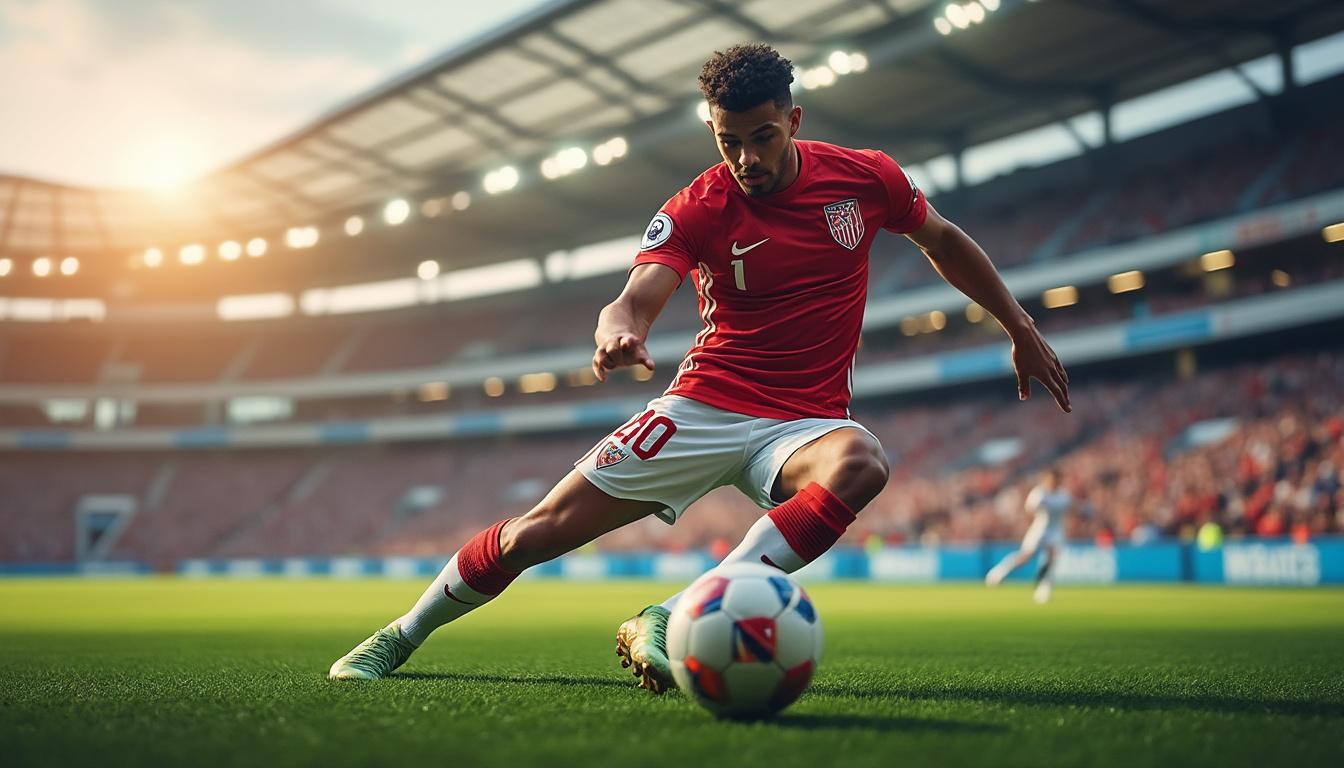
Host Nations and Stadium Conditions: How Geography Creates Unique Betting Challenges
The 2026 World Cup is a sprawling spectacle shared by the United States, Canada, and Mexico. This vast territory is unlike any previous tournament, spanning time zones, climates, and elevations that inject unparalleled complexity into team performance and betting markets.
Each host city tells a different story: Mexico City’s Estadio Azteca sits at high altitude, challenging player stamina and favoring slower-paced styles. Contrast that with humid Miami or Houston, where sweat-drenched players battle oppressive heat and physical exhaustion, often resulting in lower-scoring or tightly contested affairs. Cooler northern cities like Seattle or Vancouver offer brisker climates promoting energetic, high-tempo games.
These environmental variables penetrate deeply into sports betting considerations. Altitude and climate influence not just physical exertion but tactical approaches. Odds on totals (goals scored) shrink or swell depending on venue conditions. Players might tire quicker, substitutions increase, and game tempo fluctuates, delivering opportunities for live betting markets to shine.
Travel logistics compound the effects. Teams are shuffled across the continent, often facing time zone jumps of up to three hours and flights spanning thousands of miles between fixtures. For teams with shallow squads, fatigue accumulates quickly. Strategic bettors keenly observe pre-game news and line-ups, spotting clues where travel weariness might translate into an underperforming favorite or a resilient underdog plowing through despite adversity.
Hosting North America wasn’t a random pick — the region boasts world-class stadiums like MetLife and SoFi, advanced infrastructure for fans and broadcasters, and a diverse, passionate football audience. Yet, the sheer scale guarantees bursts of chaos and unpredictability as teams scramble to adapt to a wildly shifting landscape. This unpredictability is a goldmine for sharp bettors.
Favorites and Underdogs: Soccer Odds and Team Format Reshape Power Dynamics
The World Cup 2026 stage is set for classic heavyweights, but the expanded team format pushes new nations into spotlight, tweaking betting markets and match predictions significantly. The favorites remain exalted footballing giants: Brazil’s youthful exuberance, France’s depth across every position, England’s hungry generation, and Spain’s creative core lead betting boards. Yet, the underdog wave threatens to erode their iron grip.
Here’s a breakdown of the shifting power dynamics:
- Traditional Giants: Brazil is boasting a golden generation with a blistering attack, while France’s squad depth practically scares opponents. England and Spain continue nurturing talent pipelines designed to peak at this exact stage.
- Strong Contenders: Netherlands, Portugal, Germany, and Belgium offer solid betting value with experienced coaching and growing squads, capable of surprise runs if form holds firm.
- Dark Horses: The expanded 48-team format rewards sheer resilience and opportunistic tactics. USA’s home advantage plus athleticism gives them real potential to upset expectations. Morocco’s defensive mastery post semi-final in 2022 can’t be ignored. Japan, Senegal, and Mexico may play spoiler roles, thriving in familiar conditions and tactical discipline.
In betting parlance, this creates a rich buffet of choices—outright winner odds, group winners, teams to reach knockout rounds, and player prop bets all gain dimension with the increased complexity. Fans and bettors must deeply analyze team form, group difficulty, and environmental stressors to outwit bookmakers.
| Team Category | Examples | Betting Impact |
|---|---|---|
| Traditional Favorites | Brazil, France, England, Spain | Heavy favorites for outright bets; strong squad depth aids late stages |
| Strong Contenders | Netherlands, Portugal, Germany, Belgium | Value bets in futures; capable of upsets in knockout rounds |
| Potential Dark Horses | USA, Morocco, Japan, Senegal, Mexico | Underdog value; potential for surprising group and knockout results |
Developing winning betting strategies involves balancing passion with cold data analysis—spotting when a supposedly weaker team’s home advantage or tactical setup might tilt a match unexpectedly.
Match Environment and Travel Factors: Game-Changing Influences on World Cup 2026 Betting
The sprawling geography of the 2026 World Cup inevitably thrusts travel and environmental challenges into the limelight—each a potent factor in match outcomes and betting cues.
Consider this: a team flying from Miami’s humid heat to Mexico City’s oxygen-thin air has to recalibrate stamina, mental sharpness, and tactical approaches within days. These challenges magnify in a tournament where recovery time is precious and squad rotation becomes a chess match for success.
Betting insights emerge vividly here: Players’ physical condition affects second-half performances, shifting probabilities for goal totals, match momentum swings, and in-play betting odds. An alert bettor can capitalize on these nuances by watching line-ups, substitution patterns, and minute-by-minute game flow.
Travel strain also exacerbates injury risks and fatigue-driven errors, often invisible in preseason predictions but apparent as the tournament progresses. Teams with deep benches like France and Brazil can manage, while others reliant on core players might crumble under relentless schedules.
The climatic spectrum adds further complexity: hot, humid venues tend to slow games and lower scoring, while cool, brisk climates press teams toward fast transitions and open play. Altitude-specific effects favor methodical buildup versus high press tactics, influencing coaching decisions and subsequently betting odds on results and player performance.
Understanding these subtle yet profound variables is the hallmark of a sophisticated betting strategy, allowing true fans to leverage game environment data beyond the simple “team vs. team” mindset.
The New Betting Markets and Strategies Born from the World Cup 2026 Expansion
With the tournament’s sweep stretching wider and risk recalibrated by new formats and global venues, betting markets flourish with new wrinkles, challenges, and opportunities.
Here’s a snapshot of how 2026 revolutionizes the football betting universe:
- Expanded outright winner markets: With more teams and knockout rounds, the chance for surprise champions grows, inflating odds on longshots and adding excitement to futures bets.
- Group phase betting complexity: The 16 groups with 3 teams each eliminate simultaneous finales, amplifying suspense and strategic stakes—betting on group winners, runners-up, or best third-place qualifiers requires nuanced analysis.
- Player prop markets: Elevated because star performance directly ties to group difficulty and match conditions—top scorers, assists, or disciplinary events become valuable betting arenas.
- Fatigue and travel-informed live betting: In-play odds adjust sharply as teams’ physical states ebb and flow—knowledgeable bettors can pounce on second-half momentum shifts shaped by logistic pressures.
- Cards, corners, and other micro-markets: With tactical rotations and travel climate effects influencing game intensity, these markets become more dynamic and attractive.
To thrive in this vibrant ecosystem, disciplined bettors should:
- Track player fitness and squad rotation news aggressively.
- Study environmental conditions for each match venue.
- Analyze group difficulties and knockout implications early.
- Compare soccer odds deeply across sportsbooks like Bovada, BetOnline, and Everygame for best value.
- Engage in live betting to exploit momentum and fatigue nuances.
For a comprehensive dive into how these betting strategies come alive in practice this World Cup, click here for expert analysis and market reviews.
How does the 48-team format affect the predictability of match outcomes?
The smaller group sizes and increased number of knockout qualifiers create greater unpredictability, as a single match can drastically alter who progresses, making betting markets more volatile but offering more value in underdog bets.
What impact does travel have on team performance in World Cup 2026?
Long-distance travel across three countries, combined with varying climates and time zones, can lead to fatigue and inconsistent performance, which savvy bettors can use to judge live odds and predict second-half outcomes.
Which betting markets are expected to be most popular in the 2026 World Cup?
Outright winner bets, group advancement futures, player scoring props, live in-play betting, and micro-markets like cards and corners will see heightened activity due to the expanded tournament size and increased match volume.
How will coaching affect betting strategies in the 2026 World Cup?
Coaches managing squad rotation and acclimating to diverse match environments will shape team stamina and tactical choices, directly influencing betting markets by creating opportunities for well-informed wagers on game flow and outcomes.
Join today and grab up to $200 bonus for your next bets!
Content assisted by AI. This article was created in whole or in part with the help of artificial intelligence.