

Boost your betting experience and get up to $200 bonus right now!
Esports tacticians are recalibrating their approach. Analysts, coaches, and players are responding in real time to the rapid evolution in team strategies seen across major tournaments. Contrasting philosophies now dominate the conversation: some squads double down on tight, disciplined formations, while others embrace fluid positional play, using calculated aggression to disrupt structured systems. This strategic divergence has become a defining battleground, with teams retooling pressing systems and formations in pursuit of a competitive edge.
Top-tier teams have wasted no time adapting. Tournament results increasingly reward adaptable tactical cores over static, pre-set strategies. Coaches speak openly about the need for dynamic in-game adjustments rather than rigid execution, pointing to performance metrics that highlight the success of squads capable of switching formations mid-match. For instance, teams employing variable defensive setups have posted a 14 percent increase in round win rates compared to those locked into traditional 2-2-1 or 1-3-1 shapes.
Adaptive Formations and Dynamic Pressing: The New Normal
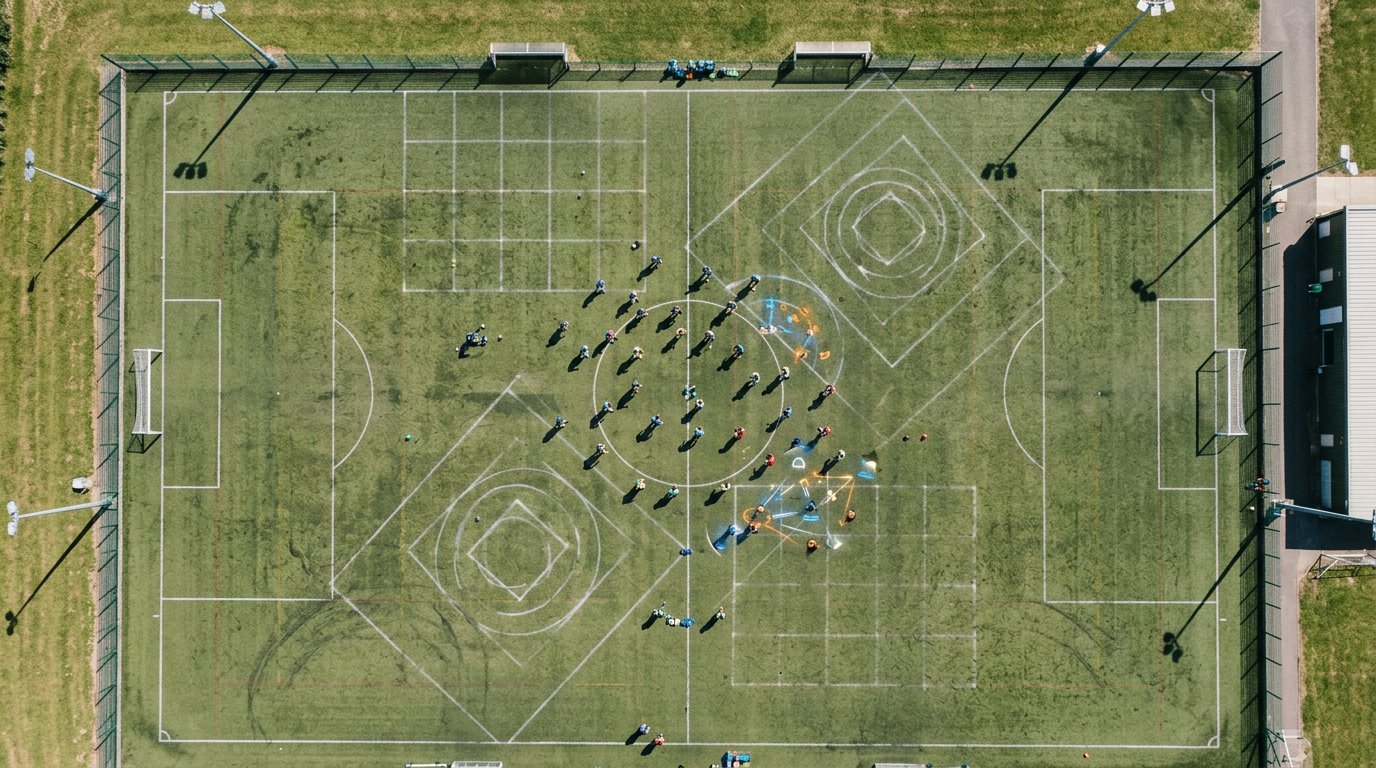
Predictable, historic setups are fading. In the early days of major esports tournaments, teams leaned on fixed structures: classic 2-2-1 splits in tactical shooters, rigid laning assignments in MOBAs. These approaches offered role clarity but little room for improvisation under pressure.
Today’s leading teams engineer nuanced positional rotations. Side lane duos rotate through jungle corridors to create triple-threat pressure points. Anchor players hold space while orchestrating mid-round transitions. Pressing systems have evolved as well. Early-round aggression is no longer the only lever; instead, teams deploy delayed, layered presses that sow uncertainty and bait opponents into overextending. Analysts point to recent data: squads using staggered presses have increased their objective control rates by 11 percent over the last three event cycles.
Flexibility in player roles is now a premium asset. Star performers aren’t confined to signature positions. Their utility is maximized by shifting between anchor, flex, and entry roles as situations demand, disrupting opponent scouting and forcing constant recalculation of threat maps. Head-to-head records show that teams with the most role swaps per map also boast the strongest late-game conversion rates, underscoring the tactical advantage of flexibility.
Performance Metrics and the Implications for Tournament Outcomes

Raw mechanical skill no longer guarantees success. Teams that thrive are those synthesizing statistical insights with real-time positional play. The consequences are clear: squads lagging in tactical evolution are consistently outmaneuvered, losing key rounds to unexpected formation shifts or well-timed coordinated presses.
The numbers tell the story:
| Team Tactical Approach | Avg. Round Win Rate | Objective Control % | Role Swap Frequency |
|---|---|---|---|
| Static Formations | 46% | 54% | 1.2/map |
| Dynamic. Adaptive Formations | 60% | 65% | 3.8/map |
Teams prioritizing in-game tactical recalibration enjoy a pronounced edge. These statistics mirror what’s happening in the server: adaptive squads consistently overturn early deficits by shifting to aggressive mid-map presses or rotating anchor players into entry positions on crucial rounds.
Individual player performances are now defined by their contributions to team-wide pressing systems and formation fluidity, not just isolated mechanical highlights. Teams aren’t simply reacting to the meta, they’re shaping it, experimenting with unorthodox positional structures and pressing schemes.
Championship contenders reveal themselves through collective intelligence in formation management and seamless execution of coordinated, multi-phase pressing systems. Urgency and adaptation are the new currency, as every top program races to decode the next tactical breakthrough before their rivals.
Join today and grab up to $200 bonus for your next bets!
Content assisted by AI. This article was created in whole or in part with the help of artificial intelligence.