
Boost your betting experience and get up to $200 bonus right now!
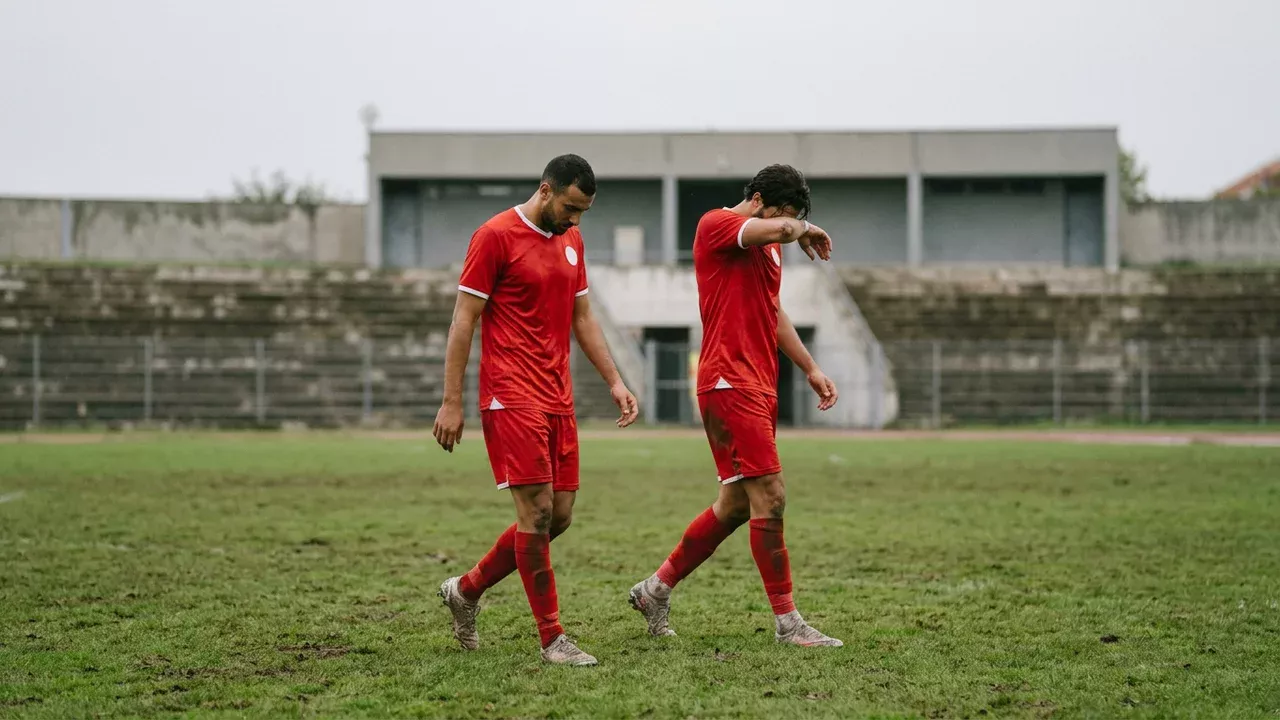
Tunisia’s national team crashed out of the 2026 World Cup with humiliating defeats to Sweden (1-5) and Japan (0-4), setting off alarms at every level of the federation.
Three matches, one goal scored, fourteen conceded. Defensive numbers like these are usually reserved for minnows, not a team with Tunisia’s history. Any semblance of tactical structure vanished, leaving the squad adrift and unable to impose a system in or out of possession. Heading into the final group game against the Netherlands, the mood has shifted entirely. Survival, not ambition, is the new benchmark. Insiders admit that even a narrow loss would now be considered progress.
The tactical breakdown is stark. Tunisia’s high defensive line, combined with a gaping disconnect between midfield and defense, left them wide open to vertical balls and transitions. Sweden exploited this mercilessly, pulling the back four apart with diagonal runs. The midfield double pivot offered little protection, allowing Swedish attackers to receive the ball between the lines and drive straight at the heart of the defense. Against Japan, pressing triggers were absent. Japan passed through Tunisia’s passive mid-block with ease, creating overloads on the flanks and isolating fullbacks in hopeless 1-v-2 situations. The result: a flood of cutbacks and high-quality chances.
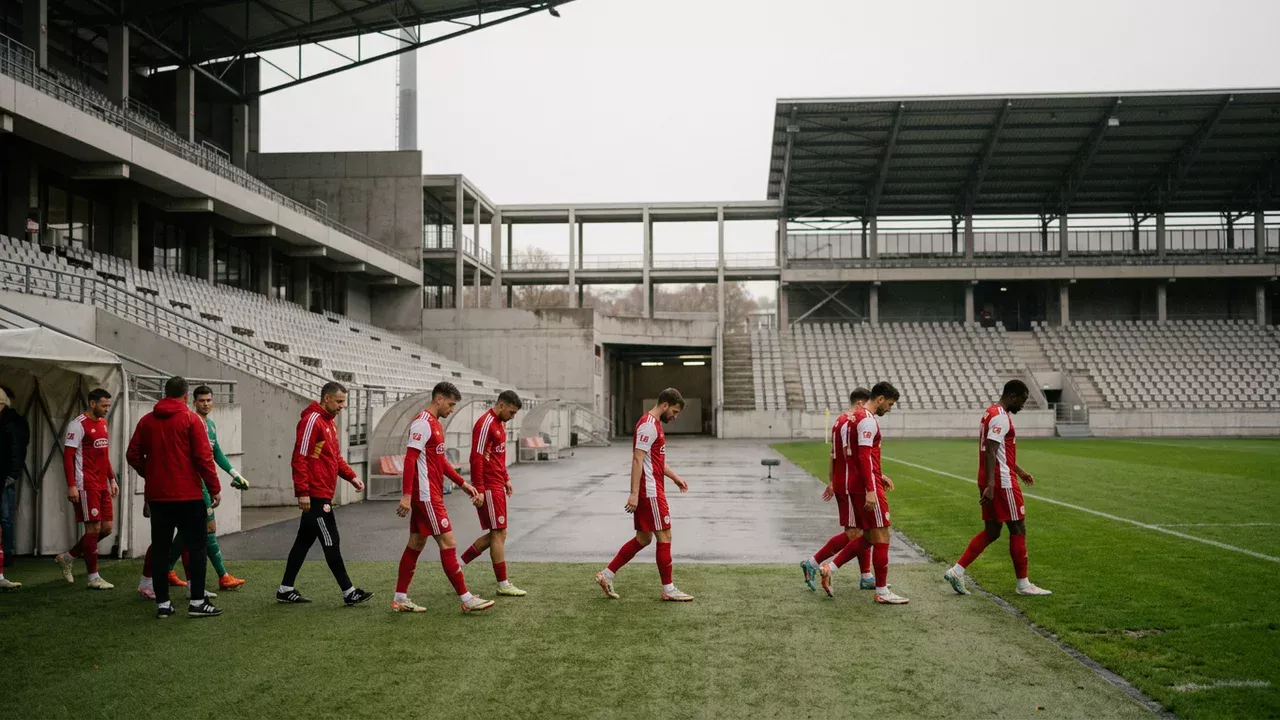
Build-up play fared no better. Attempts to play out from the back repeatedly collapsed under opposition pressing traps. Without a press-resistant midfielder, central defenders resorted to hopeful long balls, surrendering both possession and territory. In attack, structure and spacing broke down entirely. Forwards dropped into the same vertical lanes as midfielders, erasing any chance for third-man runs or coordinated movement. One goal in three matches tells the story: Tunisia never created real advantages in the final third.
The fallout was immediate. Sabri Lamouchi, appointed in January, was sacked after the Sweden defeat amid confusion and sharp criticism from the federation. Hervé Renard has stepped in as interim manager, but now the federation itself is under fire. Local sources say state authorities are monitoring the situation closely, with President Kaïs Saïed personally consulted on Lamouchi’s dismissal and Renard’s appointment. Frustration isn’t limited to results. The federation’s crisis management and public messaging have been described by insiders as hesitant and damaging to Tunisia’s football image.
Structural issues can no longer be brushed aside. This World Cup cycle brought continuity in personnel but none in tactical philosophy. The repeated failure to establish pressing triggers, organize defensive rest defense, or coordinate attacking rotations points to deeper problems in federation planning. Belgium’s 5-0 demolition of Tunisia in a friendly earlier this month was an early warning. The inability to adapt or respond tactically between matches has only increased the pressure on federation leadership.
A “grand coup de balai”, a sweeping clear-out, is widely expected once the team returns to Tunis. Sources anticipate changes extending beyond the technical staff into the federation’s executive ranks. With the President directly involved, the failures are now seen as both sporting and reputational. Supporters are furious, and faith in the federation is at an all-time low. No single result against the Netherlands will restore trust or credibility.
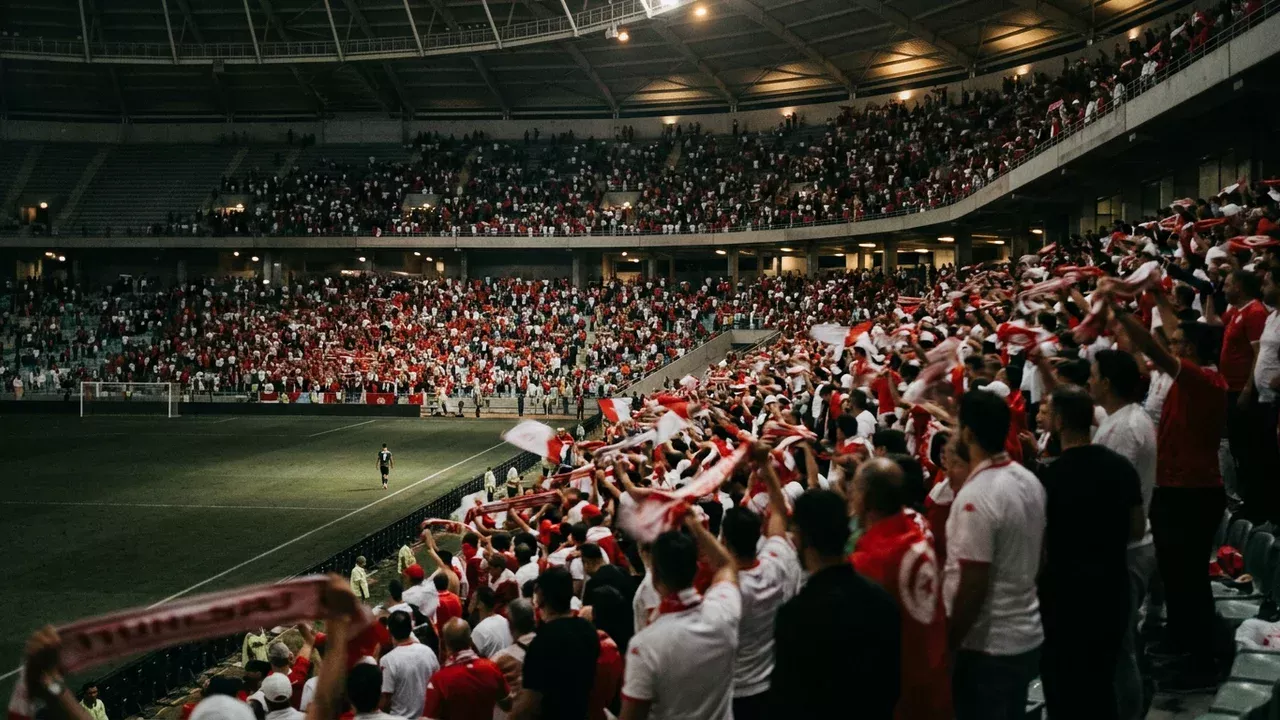
Tunisia’s exit may not be mathematically sealed until after the final group match, but the focus has already shifted. The conversation is no longer about tactical tweaks for the next game. Instead, it’s about tearing down and rebuilding the entire national football structure. The federation’s inability to implement a cohesive playing identity, adjust in-game structures, or communicate decisively has brought unprecedented scrutiny.
Some local observers are now asking whether Tunisia can remain competitive in African and global football, especially as other nations invest in tactical innovation and development pipelines. As the World Cup group stage closes, sweeping changes are expected both on the technical side and in the federation’s corridors of power.
Meanwhile. North American football offers a study in contrast. Recent developments in stadium negotiations and league structures ahead of mls 2026 highlight a different approach to federation governance and long-term planning. For more on these shifts, see this update on stadium talks and league futures in North America.
As Tunisia prepare for their final group match, the technical and structural chaos has already shifted attention to the coming federation overhaul. With the President’s direct involvement and resignations looming. Tunisian football stands on the brink of a seismic transformation.
Join today and grab up to $200 bonus for your next bets!
Content assisted by AI. This article was created in whole or in part with the help of artificial intelligence.