
Boost your betting experience and get up to $200 bonus right now!
Rainbow flags have rarely entered the world football spotlight with the thunderclap of celebration seen at other sporting events. The 2018 World Cup in Russia and the 2022 tournament in Qatar unfolded not with open displays of LGBTQ+ symbols, but with tense negotiations, hidden badges, and the veiled presence of rainbow armbands. Stadium security quietly confiscated banners. Fans debated whether a simple flag could make history or spark outrage. Football’s global stage is a battleground for more than tactics and goals. Cultures clash, traditions are challenged, and the world’s pressing conversations play out in real time.
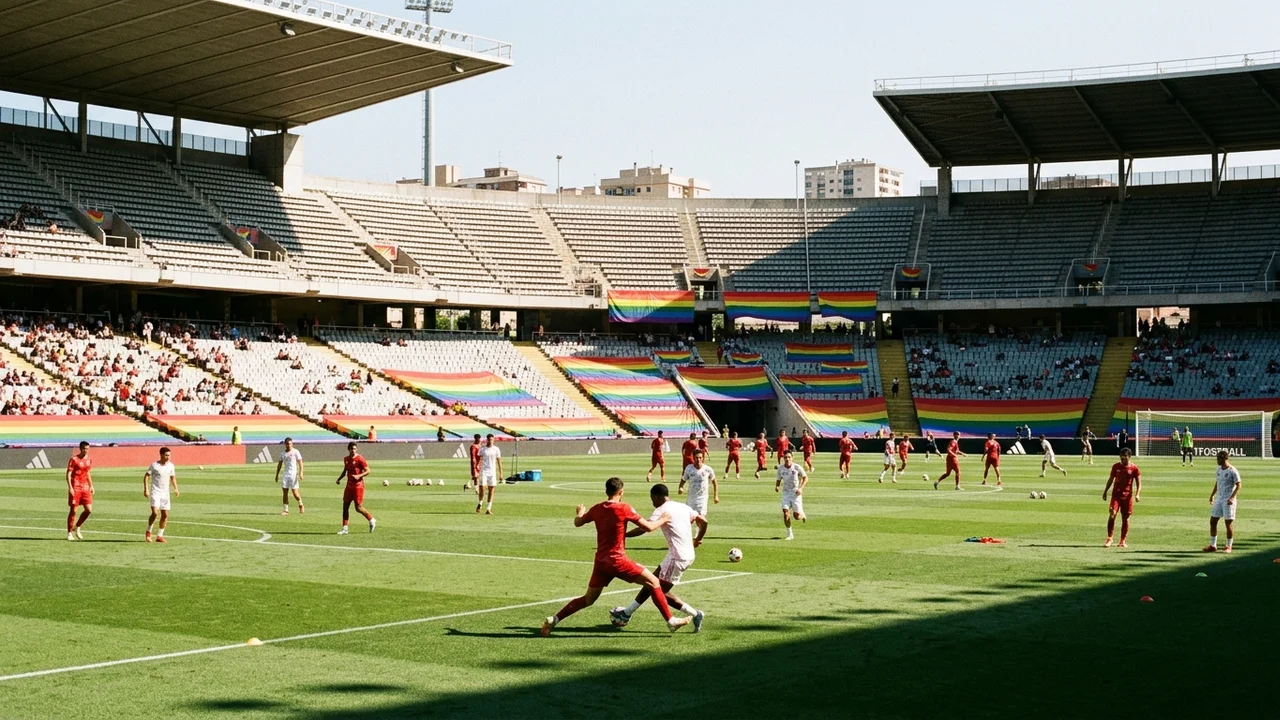
Seattle is writing a new chapter. The city’s annual Pride Weekend, famous for its unapologetic embrace of diversity, was always destined to leave its mark on World Cup hosting duties. Months before a single ball was kicked, the Seattle host committee circled June 26 for a Pride-themed match, eager to show the world what it means to belong, to be seen, and to celebrate without fear. Then came the twist: the World Cup draw paired Egypt and Iran, two teams from nations where homosexuality is not only taboo but illegal, right into the heart of Seattle’s rainbow-draped festivities.
Seattle’s Pride and the Reluctant Guests
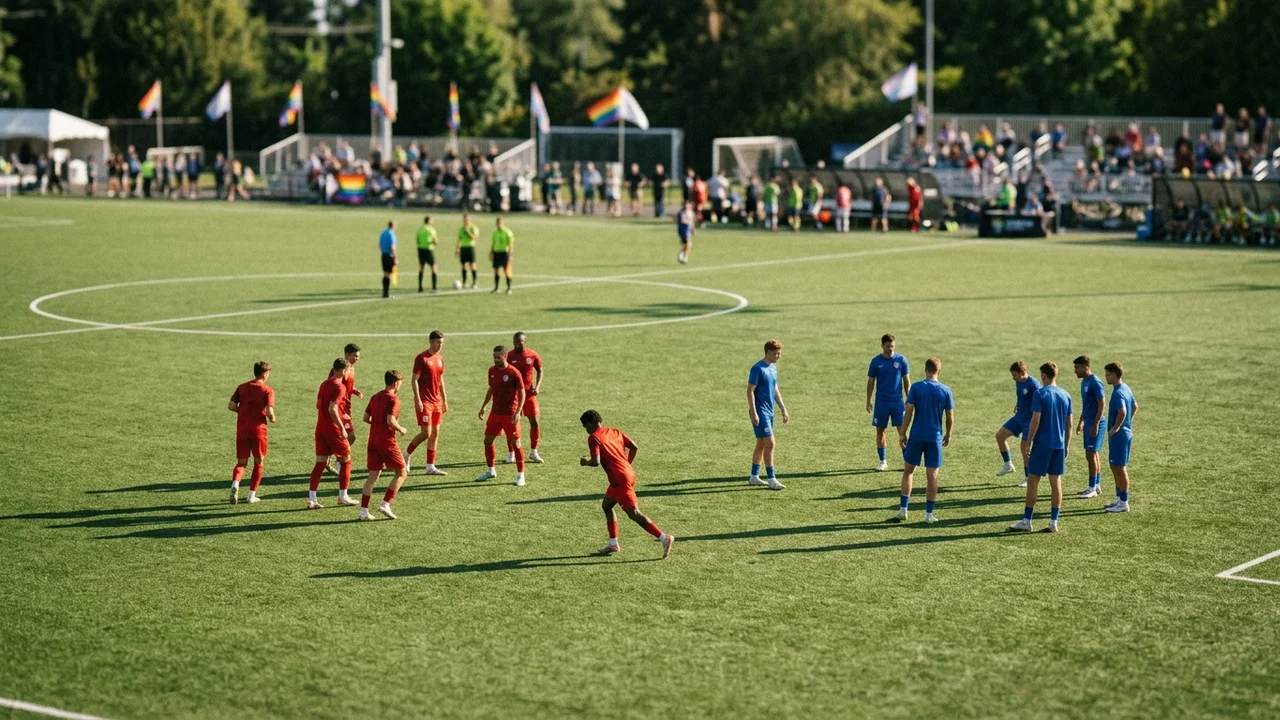
For local organisers, the timing felt like fate, not provocation. “It might not be how you want to live or how things are in your country but this is something that makes us unique and we want you to experience it and be curious,” said Hedda McLendon, a voice for the city’s World Cup committee, standing against a panoramic view of Seattle’s stadium. Drag shows, rainbow flags, themed merchandise, citywide watch parties. Seattle’s Pride Match Day was always about the city itself, not the teams on the field.
Egypt and Iran have made their discomfort clear. The Egyptian football association formally appealed to FIFA, warning that the festivities could “provoke cultural and religious sensitivities among fans.” Iran’s federation echoed the sentiment, calling the Pride designation “irrational” and accusing organisers of supporting “a certain group.” Both federations have histories of criminalising LGBTQ+ relationships. Both squads arrived in Seattle with a single refrain: focus on football, and only football.
Iran’s coach Amir Ghalenoei left no room for ambiguity. “We are here to play football, not for other things,” he told the press. “As for things that are forbidden in our religion and do not exist, we do not want to talk about them. We only talk about the match, football and the beauty of the game.” Egypt’s representatives also refused to be drawn into conversations about Pride, sidestepping questions and focusing on the upcoming fixture.
But the city around them would not be silent. Jess Fishlock. Welsh football legend and Seattle Reign FC stalwart, captured the local mood: “The match is about Seattle, not Egypt or Iran. Regardless of who is playing we would be the same. It’s such an important part of Seattle’s identity and culture.” The hosts stood firm, insisting the Pride Match would have gone ahead regardless of the draw. Their answer to discomfort: curiosity, not retreat.
While the stadium prepares for a collision of tradition and progress. FIFA’s stance is more measured. The governing body, seeking to avoid the controversies of past tournaments, confirmed that rainbow flags and other LGBTQ+ symbols would be permitted at World Cup matches, as long as they do not breach the stadium’s code of conduct.
In past tournaments, such moments have become flashpoints. Security confiscations in Russia. Quiet defiance from players wearing rainbow armbands in Qatar. The simple act of waving a flag has become a statement, a risk, and sometimes, a hope.
The Beauty and Tension of a Global Game
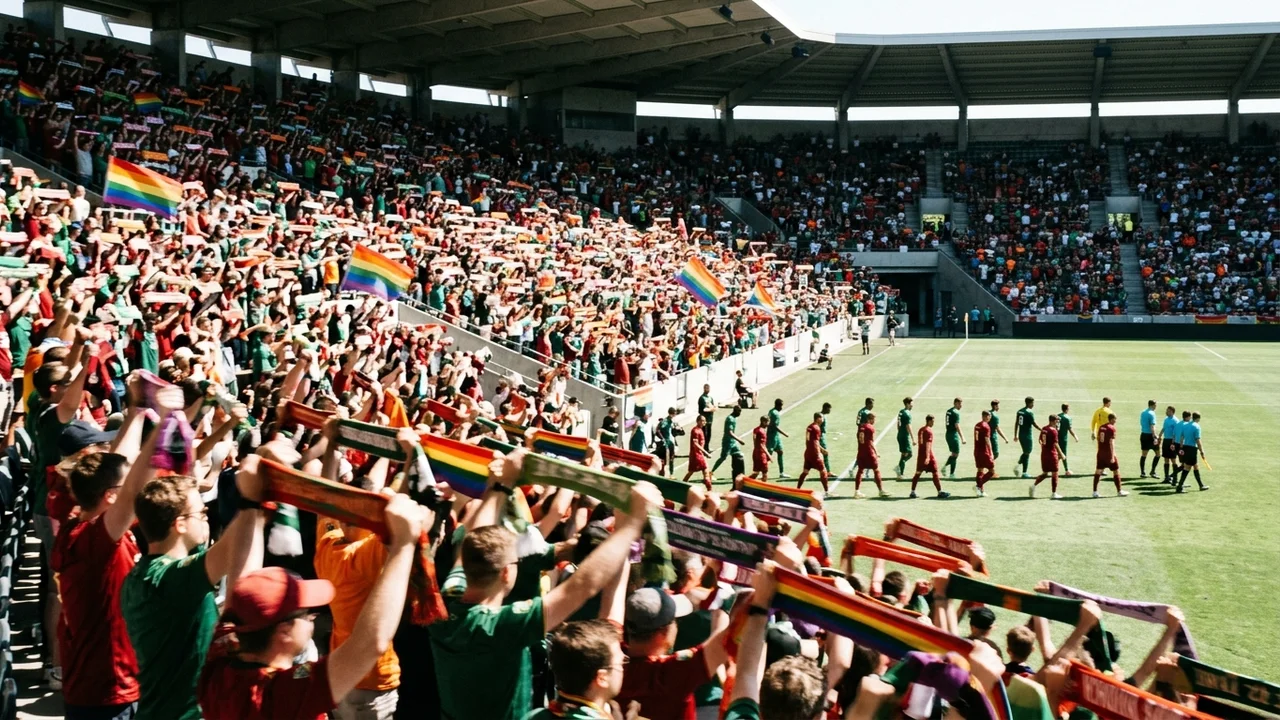
Tension swirling around Seattle’s Pride Match is more than a story of policies and protests. It’s a collision of lived realities. For fans from Egypt and Iran, the sight of rainbow banners will be jarring, perhaps even painful. For Seattle’s LGBTQ+ community, it’s a moment of visibility on the world’s most-watched stage. For FIFA, whose mantra of inclusion is often tested by the very diversity it celebrates, this night will be a test of resolve.
But the drama isn’t just in symbols, banners, or headlines. Human stories are everywhere. Players and coaches forced to navigate questions they cannot answer. Fans arriving with joy or trepidation. Organisers balancing local tradition with global sensitivities.
The match will kick off at 04:00 BST, but the real drama began long before, in the clash of cultures and the stubborn hope that football can be both a game and a force for change.
Seattle’s organisers hope for curiosity from their guests, not just tolerance. They want the world to see what it means to live in a city where holding hands in public is not a risk, and where a football match can double as a celebration of belonging. Whether that curiosity is returned remains uncertain.
The outcome on the pitch may be determined by tactics and talent. The legacy of this match will be measured in conversations sparked and boundaries tested. As rainbow flags rise in Seattle’s stadium, the world will be watching, not just for goals, but for the moments that remind us why football, at its best, is about far more than the game.
For those interested in the broader journey of these teams on the world stage, insights into their tournament prospects can be found in recent coverage of Iran’s World Cup campaign.
FIFA has confirmed that rainbow flags will be allowed inside the stadium for the match.
Join today and grab up to $200 bonus for your next bets!
Content assisted by AI. This article was created in whole or in part with the help of artificial intelligence.