
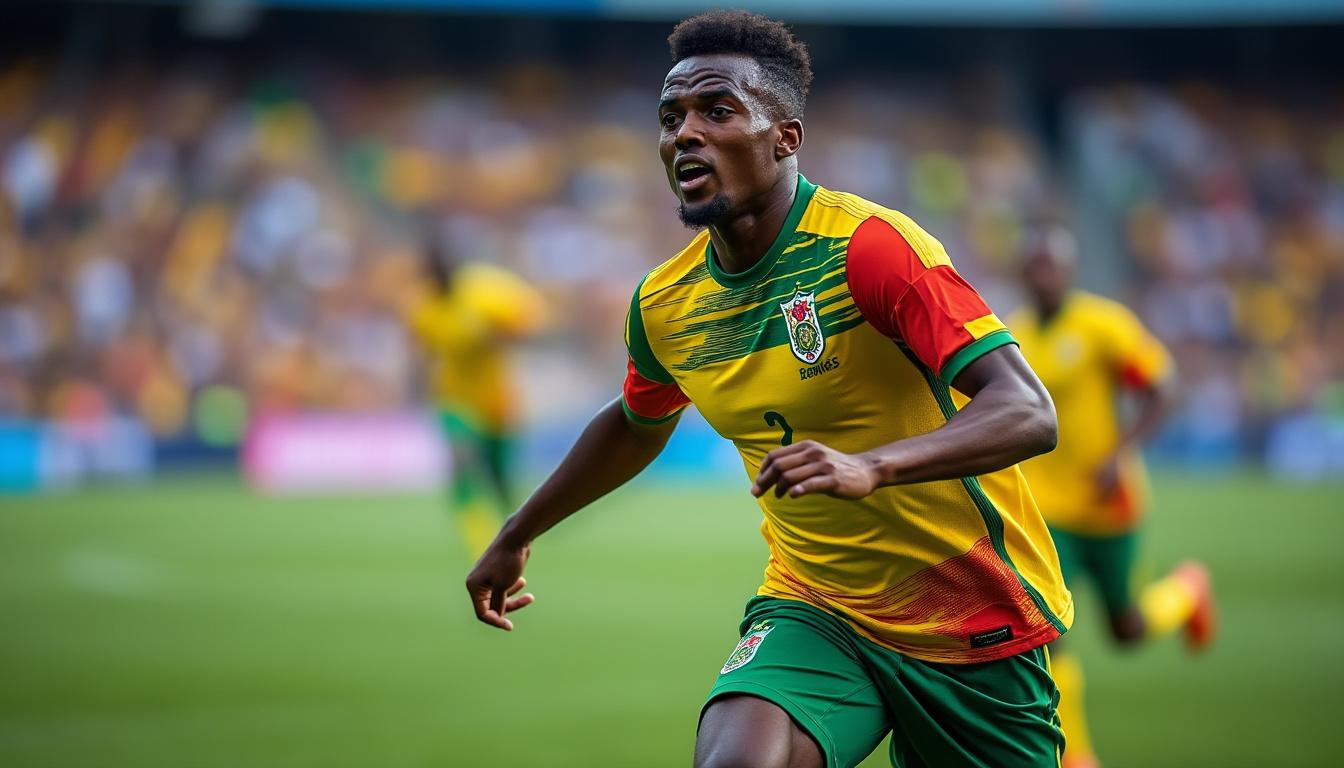
Boost your betting experience and get up to $200 bonus right now!
As the Africa Cup of Nations (AFCON) unfolds across Morocco from December 21, 2025, to January 18, 2026, the tournament captivates far more than just football fans. It has become a vibrant tapestry of cultural expression, national pride, and shared history that transcends the results on the scoreboard. For decades, AFCON has been more than a sporting event; it is a continental celebration that unites Africa’s diverse peoples in a collective display of joy, resilience, and identity. This edition, unfolding in the festive season for the first time ever, promises to deepen that experience, blending football with the spirit of the holidays to create a mesmerizing spectacle that reverberates from stadiums to living rooms in every corner of the continent and beyond.
Morocco’s hosting role adds an extra dimension. The country is not only showcasing its football heritage on the grand stage but also positioning itself ahead of the historic 2030 FIFA World Cup co-hosting campaign. With nine venues spread across six cities, the tournament has become a nationwide carnival of culture, music, fashion, and community spirit, turning matchdays into communal celebrations. The involvement of diaspora communities worldwide highlights AFCON’s unrivaled ability to forge unity among millions of Africans no matter where they reside. Here, the game is the heart, but the blood running through it is national pride in all its colorful, expressive forms.
The Cultural Significance of AFCON: A Festival Beyond Football
The Africa Cup of Nations stands as a testament to how deeply football intertwines with culture and identity throughout Africa. This tournament represents a convergence of tradition, modernity, and pan-African unity, making every matchday at the Prince Moulay Abdellah Stadium in Rabat or any other venue not just a showcase of athletic skill but a vibrant cultural festival.
Beyond the tactics, goals, and saves, AFCON unites fans through music genres like Afrobeats, amapiano, and highlife playing beneath the roaring crowd chants. These sounds are far from background noise — they narrate stories of triumph, struggle, and hope. The tournament’s official anthem, released just before the opening on December 21, fuses pan-African rhythms with contemporary influences that echo through fan zones and streets alike, elevating the event’s cultural resonance. This year’s mascot, Assad—an animated young Atlas lion—symbolizes strength, unity, and Moroccan heritage, becoming a powerful visual symbol linking participants and spectators.
The cultural festivity spills out from stadiums into the streets, where the aroma of traditional grilled meats and spicy stews mingles with laughter and debate over match predictions, lineup guesses, and rivalries. Fan zones transform cities into vibrant hubs where football becomes a communal event, bridging generations and backgrounds. Diverse forms of march-day celebrations—with bold outfits mixing team jerseys and traditional prints, face paint, beads, and flags—showcase the pride each community holds for their heritage and team.
This rich cultural context turns AFCON into a powerful moment of collective identity and celebrates a continent whose many voices resonate through a shared love of the game and heritage. More than just a tournament, AFCON fosters national pride in a way few other events can match, underlining football as a key unifier and storyteller of African culture. The electric fan atmosphere at AFCON encapsulates this magic perfectly, proving it’s not just about results but the powerful emotional and cultural experience shared by millions.
AFCON 2025 and National Pride: The Power of Representation
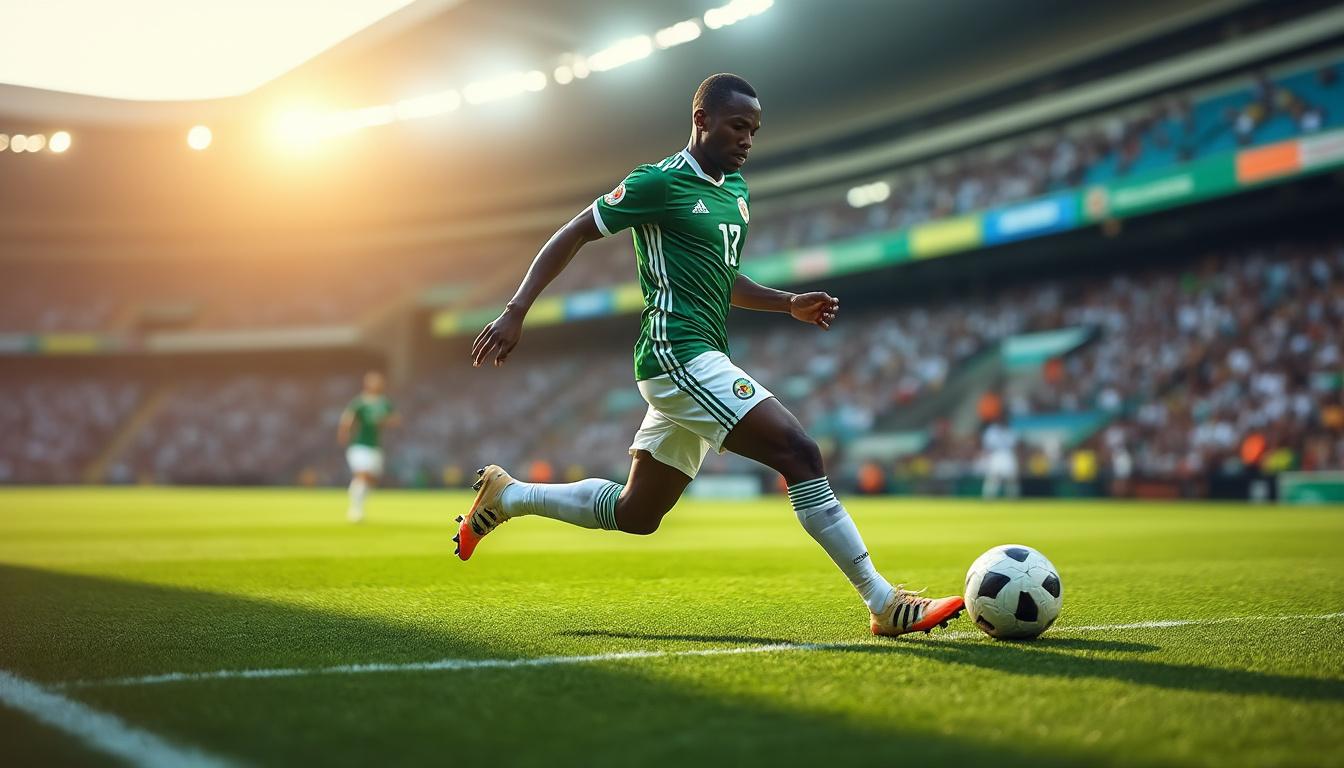
Football is often dubbed the ‘people’s game,’ but AFCON takes this to a monumental scale where national pride and identity become inseparable from the sport itself. In 2025, with the world watching, many nations are using the tournament as a powerful platform to express their unique stories, resilience, and hopes for the future.
Take Morocco, for instance. The Atlas Lions enter AFCON with a world-record 18-game winning streak and a team regarded as the country’s golden generation. The stakes are higher than ever as this tournament serves as both a continental competition and a test run for the 2030 FIFA World Cup, which Morocco will co-host. For Moroccan fans, this is more than football; it is an opportunity to showcase national unity and pride on a global stage. The atmosphere at opening matches is charged with expectation and belonging.
Meanwhile, Nigeria, a titan with three AFCON titles, brings an ambitious squad aiming to shake off recent disappointments and reconnect with their championship pedigree. The national pride runs deep here, with captains like Victor Osimhen carrying the weight of generations of hope. Similarly, Senegal, with stars such as Sadio Mané and Kalidou Koulibaly, represents a story of persistence and achievement, balancing continental domination with dreams for global recognition.
National pride on display isn’t reserved only for frontrunners. Smaller teams like Comoros evoke a “David vs. Goliath” narrative that resonates deeply across the continent, uplifting entire communities and creating shared moments of joy regardless of their final results. These stories bring a human dimension to football, showing it’s never just a game but a profound statement of identity.
Several squads this year embody the intersection of modern football and deep-rooted national pride. The Senegal-Algeria rivalry adds an extra layer of historical significance, blending heated competition with national narratives. The tournament’s knockout stages, especially, amplify these stories as teams battle for glory carrying the hopes of their compatriots. These elimination rounds energize entire nations, reflecting the tournament’s ability to transform athletic contests into profound expressions of patriotism and unity.
Key Players Reflecting National Spirit
Players become national icons during AFCON, embodying the qualities their countries cherish. Achraf Hakimi’s inspiring journey with Morocco and Mohamed Salah’s relentless quest to bring Egypt its eighth title are more than individual careers—they are chapters in their national stories. Each goal or defensive tackle echoes far beyond the pitch, stirring emotions and igniting discussions in homes and bars from Lagos to London.
Such pride-driven identification elevates the tournament’s drama and significance, connecting fans to their teams with an intensity no other sporting event matches. For many, AFCON is an emotionally charged narrative where football intersects with history, culture, and hope for the future.
Unity and Sportsmanship: The Heartbeat of African Football
Beyond fierce competition and national pride, AFCON is a celebration of unity and sportsmanship that echoes across Africa’s vast diversity. This tournament is a reminder that football, at its core, is about bringing people together, fostering mutual respect, and sharing in collective emotions.
In 2025, AFCON’s role has expanded beyond the pitch, actively embracing diaspora communities who join celebrations worldwide. The connection between fans in Casablanca, Nairobi, Paris, and New York encapsulates a sense of global African identity that football uniquely provides. This unity through sport is essential in helping break down historical, linguistic, and ethnic divides, transforming rivalries into expressions of honorable competition rather than division.
On the pitch, displays of fair play, respect for opponents, and emotional celebrations embody sportsmanship. Despite the high stakes, players and coaches alike often emphasize camaraderie and shared goals, underlining football as a force for peace and connection. This ethos shines through especially in moments of solidarity, such as players assisting injured opponents or fans applauding a well-fought match regardless of the outcome.
The tournament’s structure, spanning group stages to knockout rounds, allows every nation and fan base to engage with a diverse array of styles and skillsets, which highlights Africa’s footballing richness. Respect across groups and nations fuels a competitive yet supportive environment that elevates African football’s global stature and inspires future generations.
Key moments of sportsmanship frequently make headlines, serving as powerful counterpoints to the intense competition. These acts underline the essence of AFCON as much more than a battle for trophies—they are celebrations of human dignity shared through football’s universal language. This perspective enriches the tournament’s social and cultural relevance, making it a space where unity triumphs alongside rivalry.
The Historical Impact of AFCON on African Communities
Since its inception in 1957, the African Cup of Nations has evolved into a cornerstone of African solidarity and identity. Its historical impact stretches well beyond the final whistle, influencing societies, politics, and economies across the continent.
AFCON’s legacy is tied to key moments in African history—symbolizing independence movements, post-colonial pride, and continental unity. For many nations, participation in AFCON transcends sport; it is an expression of sovereignty and cultural voice on the global stage. Each edition echoes the continent’s varied history and aspirations, reinforcing football’s role as a mirror and driver of social change.
Morocco hosting AFCON in 2025 is itself a historical milestone, representing North Africa’s significant contribution to the continent’s football narrative and Africa’s increasing influence in international sports. The country’s organized fan zones, extensive media partnerships, and global broadcast coverage highlight the fusion of tradition with modernity, showcasing Africa’s growing capacity to manage high-profile events.
| Historical AFCON Milestones | Key Years | Impact on Communities |
|---|---|---|
| First AFCON Held | 1957 | Signaled football as a tool for continental unity |
| Expansion to 24 Teams | 2019 | Broadened representation and competition scope |
| First AFCON Held in December | 2025 | Combined football with global holiday season, expanding viewership |
| Record Broadcast Partnerships | 2025 | Increased Africa’s global football visibility and economic impact |
The tournament’s influence extends to local economies as well. During AFCON, small businesses thrive around match venues and fan zones. Artisans, musicians, and entrepreneurs find new opportunities, transforming football days into economic boosts. This interplay between culture, sport, and economy exemplifies the tournament’s far-reaching legacy.
Moreover, AFCON’s cultural celebrations, blending music, fashion, and food, serve as powerful instruments of soft power, promoting African creativity worldwide. This global cultural footprint not only boosts tourism but also fosters cross-continental exchanges and pride, reinforcing football’s role as an ambassador for African heritage.
The historical and social relevance of AFCON continues to ripple beyond borders, making it much more than a trophy chase but a profound communal experience with lasting effects.
Community Celebration and the Spirit of AFCON on December 26, 2025
On December 26, 2025, AFCON is set to be in the heart of festive fervor, knitting together football passion, national pride, and holiday spirit. This unique timing naturally amplifies the tournament’s communal and celebratory aspects, blending global festivities with Africa’s own football traditions.
Streets in Moroccan host cities and beyond will be alive with fan zones accessible to local supporters, families, and tourists alike—each area bursting with food, music, debates, and joyous anticipation. From Lagos to London, diaspora communities will gather in similar settings, integrating AFCON into their holiday rituals. This union of football and festivity intensifies feelings of belonging and shared experience, transforming what might be a regular holiday into a pan-African festival.
Local sports experts convene regularly at these fan zones, creating lively pre-match analyses and strategy discussions. These gatherings feel less like passive viewing and more like active participation in the unfolding drama of African football. They allow unity through shared knowledge, humor, and rivalry, creating bonds that transcend mere fandom.
- Communal gatherings in fan zones spotlight the shared African spirit.
- Music performances strengthen cultural identity and enjoyment.
- Food and fashion create vibrant expressions of national heritage.
- Interactive discussions deepen engagement with the tournament.
- Global diaspora connects through synchronized celebrations.
The combination of football action and cultural celebration on December 26 will highlight how AFCON fosters community unity. The tournament’s unpredictable matches paired with jubilant street parties ensure a unique atmosphere like no other sport or event can offer. Nations poised for greatness will feel the vibrant pulse of their fans more keenly, fueling performances and aspirations.
In essence, AFCON on December 26 symbolizes not just a matchday but a profound celebration of football as a central pillar of African national pride and cultural synergy. It is a testament to why AFCON means more than results: it is about the spirit of the continent coming alive through sport.
Join today and grab up to $200 bonus for your next bets!
Content assisted by AI. This article was created in whole or in part with the help of artificial intelligence.