
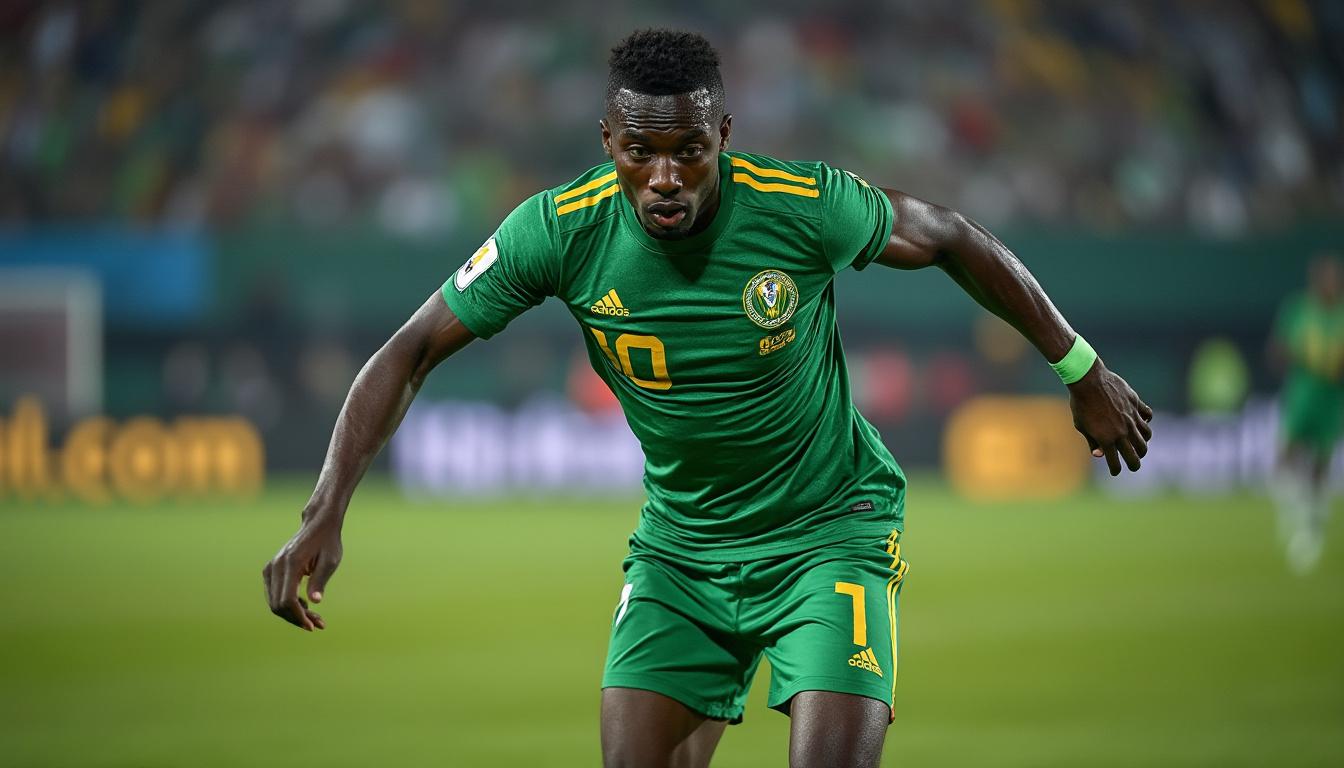
Boost your betting experience and get up to $200 bonus right now!
The stage is set for the 2026 Africa Cup of Nations, and all eyes are on Nigeria’s defensive cornerstone, Stanley Nwabali. As the Super Eagles gear up to reclaim their dominance on the continent, questions swirl around whether Nwabali can marshal the backline with the poise and grit needed to conquer the unforgiving challenges ahead. From critical injuries and tactical shifts to the raw ambition coursing through the squad, Nigeria’s defensive strategy is a story of resilience and calculated hope. The team’s recent performances show flashes of brilliance, but also expose frailties that could be exploited by determined opponents. Will the experienced goalkeeper emerge as the leader Nigeria needs, or will defensive lapses continue to haunt the Super Eagles? This tactical preview dives deep into Nwabali’s role, Nigeria’s backline composition, and the strategic blueprint that might define their AFCON 2026 journey.
Brief Highlights:
- Stanley Nwabali’s fitness and leadership critical for Nigeria’s defensive solidity at AFCON 2026.
- Nigeria’s backline is a blend of seasoned veterans and emerging talents, balancing experience with youthful energy.
- Recent matches reveal attacking promise but defensive vulnerabilities that require tactical tightening.
- Coach Eric Sekou Chelle’s lineup shows stability, with possible tweaks in fullback positions for greater attacking and defensive balance.
- Key players like Alex Iwobi and Ademola Lookman add crucial support, but defensive consistency under pressure remains the Super Eagles’ challenge.
Stanley Nwabali’s Role in Nigeria’s Defensive Strategy at AFCON 2026
Few figures embody Nigeria’s defensive hopes like Stanley Nwabali, the 29-year-old goalkeeper whose presence between the sticks extends beyond shot-stopping into commanding leadership. His role is not just to dive at the feet of attackers but to organize, inspire, and anchor the backline, especially in high-stakes matches that demand more than just reflex saves.
Nwabali’s journey to becoming Nigeria’s first-choice goalkeeper has been marked by tough challenges, including recent injuries to his ankle and hand that threatened his participation in the tournament hosted by Morocco. However, his determination to recover and lead reflects the charisma needed to instill confidence in a defense juggling the absence of veterans like William Troost-Ekong and Benjamin Fredrick. These injuries have thrust the spotlight on Nwabali’s resilience and his ability to manage high-pressure moments effectively.
Defensively, Nwabali must coordinate a backline that has struggled to maintain consistency. Examples from recent matches—the 2-1 victory over Tanzania, for instance—show how lapses in concentration and tactical miscommunication have led to dangerous moments. Nwabali’s reaction to Tanzania’s goal, where he hesitated to leave his line, exemplifies the fine margins between brilliance and error in goalkeeping. For Nigeria’s defensive strategy to succeed, Nwabali must minimize such errors and drive the defensive unit with unwavering authority.
Moreover, Nwabali’s leadership involves more than just positioning; it’s a psychological boost for the team. Knowing there’s a goalkeeper capable of critical saves frees defenders to take calculated risks and maintain a proactive defensive posture. With Nigeria facing powerful attacking teams this AFCON, such confidence might be the difference between a tight victory and a crushing defeat.
For fans and analysts eager for an in-depth perspective, stanley nwabali leading nigerias defense at AFCON 2026 full analysis of super eagles goalkeeping potential offers a detailed exploration of Nwabali’s capabilities and how he fits into Nigeria’s grand defensive blueprint. His influence must extend beyond shot-blocking to steering Nigeria’s backline through tough tactical demands and hostile environments.
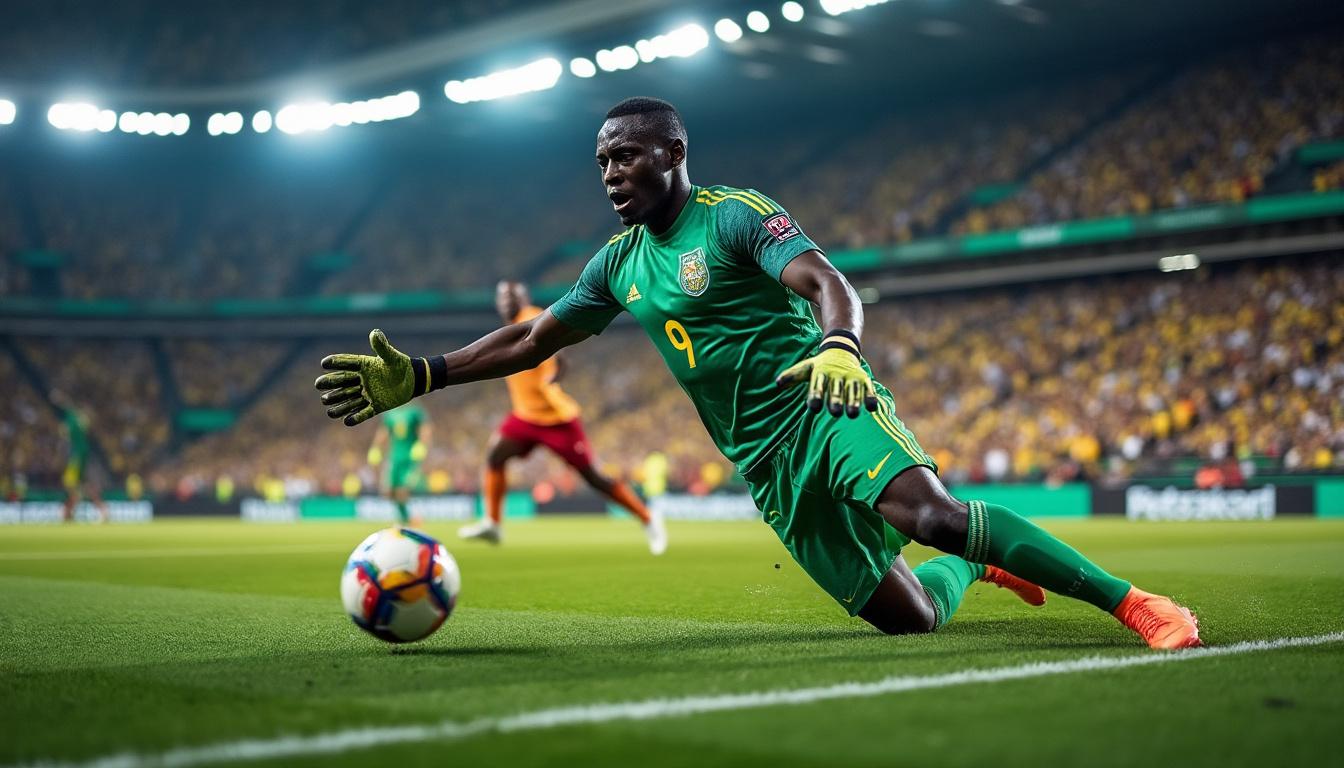
Nigeria’s Backline Composition: Combining Experience and Youthful Energy
The architecture of Nigeria’s defense at AFCON 2026 is a mixture of hardened experience and promising youth, designed to harness the best of both worlds. Central to this are players like Semi Ajayi and Zaidu Sanusi, who bring aerial prowess, tactical discipline, and physicality that seasoned opponents respect. Their partnership in central defense forms a bedrock for the backline, but it’s clear that the replacements for absent veterans still demand time to grow into a cohesive unit.
At the fullback positions, complexities arise. Left-back Zaidu Sanusi carries substantial experience, yet he was caught out during the recent Tanzania match leading to a goal. This type of vulnerability highlights the constant pressure the backline faces from nimble and attacking-oriented adversaries. On the right flank, Ryan Alebiosu and Bright Osayi-Samuel vie for a spot, with the latter currently favored but not decisively superior in attacking support or defensive steadiness.
The defense’s fluidity is further challenged when balancing the need to support attacking plays versus maintaining a compact structure. Nigeria’s attacking sets have benefited from fullbacks pushing forward, but this opens space on the break. Coaches and analysts closely monitor whether young players such as Bruno Oyamaechi can step up and secure the left-back spot, or if the team will opt for the known reliability of Sanusi.
Mixed into this composition are the midfielders who also contribute to defensive duties, with Alex Iwobi playing a crucial role. His dual capacity to launch attacks and assist defensively enables Nigeria’s backline to maintain higher positioning on the pitch, which is essential against paced rivals. The interplay between midfield and defense is vital, adding layers to Nigeria’s tactical fabric that might turn the tide in tight contests.
| Position | Player | Strengths | Weaknesses |
|---|---|---|---|
| Goalkeeper | Stanley Nwabali | Leadership, shot-stopping, organization | Recent injury concerns, occasional hesitation |
| Center Back | Semi Ajayi | Aerial ability, physical presence | Vulnerable to quick turnovers |
| Center Back | Zaidu Sanusi | Experience, positioning | Caught out pace, limited forward runs |
| Left Back | Bruno Oyamaechi | Potential, energy | Lack of top-level experience |
| Right Back | Bright Osayi-Samuel | Supporting attack, pace | Defensive inconsistencies |
This blend of veterans and up-and-coming talent is a microcosm of Nigeria’s football narrative — steeped in history, hungry for redemption, and constantly evolving. To crack the code for a successful AFCON campaign, the backline needs to find harmony, minimize individual errors, and gel into a unit that can adapt fluidly to different tactical challenges.
Tactical Preview: Defensive Strategy and Team Leadership for a Successful AFCON Campaign
Every winning team at AFCON isn’t just built on raw talent; it’s sculpted around a defensive strategy that frustrates opponents, sacrifices when needed, and launches rapid counterattacks. Nigeria’s approach to defense under coach Eric Sekou Chelle reflects these principles, tailored to the squad’s strengths and vulnerabilities.
At the core lies a pragmatic yet aggressive setup—a disciplined back four that doesn’t shy away from stepping out to press and intercept. This pressing dynamic demands high coordination, which hinges heavily on Nwabali’s command from goal. When the goalkeeper communicates clearly and assertively, the line holds and reduces spaces; when he hesitates, cracks appear, often exploited ruthlessly, as we saw with Tanzania’s late goal.
In tactical terms, Nigeria aims to balance zonal marking with rapid man-tracking during set-pieces and open play. Semi Ajayi’s prowess in the air is critical here, alongside Zaidu’s positional awareness. Meanwhile, the fullbacks face the dilemma of their dual responsibilities—supporting offense yet not overcommitting. This balancing act will be a test against teams with fluid attacking plays like Morocco, Algeria, or Senegal.
Leadership, beyond Nwabali, also emanates from midfield linchpins like Alex Iwobi, whose vision and quick distribution can shift pressure away from the backline. This interdependence shows how crucial communication and quick decision-making will be in tight games, especially in knockout stages when every mistake is punished.
Lastly, the mental resilience displayed in recent AFCON tournaments is instructive. Nigeria’s 2024 runner-up finish, marked by grinding through tough matches and tactical readjustments, has set a stage for a team that understands the costs of complacency and under-preparation. This experience, coupled with the tactical discipline on defense, could be the difference between early exit and deep tournament run.
Impact Players Behind Nigeria’s Defensive Wall: The Unsung Heroes and New Talents
While the spotlight sometimes falls heavily on Stanley Nwabali, signaling his leadership and shot-stopping, the backbone of Nigeria’s defense also includes unsung heroes and emerging talents whose contributions provide essential balance.
Take, for example, Semi Ajayi, named Man of the Match in the recent tussle with Tanzania. Ajayi’s powerful headers and physical presence deter opponents from dominating aerial duels, which is a staple to dissolve the attacking intent of many African forwards. His coordination with central midfielders and the goalkeeper illustrates why Nigeria’s defensive structure isn’t just a set of individuals but a web of roles interlacing perfectly when functioning smoothly.
On the wings, players like Akor Adams add not only attacking thrust but defensive support. Adams’s pressing and ability to track back minimize the exposure on fullbacks, alleviating some of the pressure on Nwabali and Ajayi. Meanwhile, youngsters such as Tochukwu Nnadi and Ebenezer Akinsanmiro offer fresh legs and unexpected bursts of energy, often shining from the bench as game-changers.
This mixture of reliability and youthful exuberance creates an unpredictable dynamic. Opponents can’t pinpoint just one threat but must prepare for a flexible system that adapts aggressively to the flow of the game. Nigeria’s defensive wall, when operating at full throttle, can not only withstand immense pressure but also counterattack with lethal precision—echoing the team’s broader ambitions.
In essence, the unsung defenders and midfield disruptors often provide the platform upon which stars like Lookman can flourish. Their tactical discipline and stamina ensure Nigeria remains a formidable contender, even as the tournament intensity escalates.
Key Challenges and Tactical Adjustments for Nigeria’s Backline at AFCON 2026
Despite optimism, Nigeria’s defense is far from invincible and faces tangible challenges that require tactical finesse and mental toughness throughout AFCON 2026.
Injury Setbacks and Squad Depth
The loss of players like William Troost-Ekong and recurring injuries to Stanley Nwabali have tested the squad’s depth severely. This has forced coach Chelle to experiment with lineups, often reverting to less experienced players in critical roles. The team’s success will hinge on how well these players fill the shoes of their predecessors without compromising defensive robustness.
Defensive Coordination and Communication Gaps
Nigeria’s recent matches exposed moments of miscommunication, especially during transitions. Coordination mishaps on the backline have led to unnecessary pressure and goals conceded from mistakes that are avoidable at this level. Tightening this communication channel, particularly between the goalkeeper and defenders, is paramount.
Balancing Attack and Defense
Nigerian fullbacks often pinched forward to aid attacks, but this leaves the defense vulnerable to quick counterattacks. Tactical adjustments might see a more conservative approach to defensive positioning against teams with rapid forwards or excellent counterplay tactics. Balancing this attack-defense dual role will decide Nigeria’s flexibility on the pitch.
Psychological Pressure and Decision Making
Pressure in knockout games alters player psychology dramatically. For the backline, moments of hesitation or indecision can be fatal. Training that simulates pressure situations and mental resilience practices could sharpen decision-making skills, enabling the backline, led by Nwabali, to stay calm and decisive.
Addressing these issues isn’t just about plugging gaps; it’s about evolving the defense into a cohesive unit that anticipates threats, adapts to in-game developments, and asserts dominance. Nigeria’s future in AFCON 2026 may well depend on this tactical evolution.
- Maintain fitness levels with focused injury prevention and recovery programs, especially around key players like Nwabali.
- Enhance communication drills between goalkeeper and defenders during training to reduce defensive errors.
- Optimize the role of fullbacks, balancing their attacking runs with defensive responsibilities.
- Implement psychological resilience sessions to prepare defenders for high-pressure situations.
- Scout and integrate emerging talents gradually to ensure seamless defensive rotations.
Will Stanley Nwabali definitely start as goalkeeper for Nigeria at AFCON 2026?
While Nwabali is currently Nigeria’s first-choice goalkeeper and projected to start, his fitness remains monitored closely due to injuries. If fully fit, he is expected to lead the backline.
What are the main defensive weaknesses Nigeria needs to address?
Key issues include defensive lapses on transitions, vulnerability to pacey attackers, and occasional communication breakdowns between the goalkeeper and defenders.
How does coach Eric Sekou Chelle structure Nigeria’s backline tactics?
Chelle employs a disciplined, pragmatic back four focused on zonal marking with a high defensive line that presses aggressively, relying heavily on coordination and leadership from the goalkeeper.
Who are the emerging defensive talents that could impact Nigeria’s backline?
Players like Bruno Oyamaechi, Tochukwu Nnadi, and Ebenezer Akinsanmiro are seen as promising prospects who could gradually secure more playing time and influence.
How crucial is team leadership to Nigeria’s defensive success at AFCON?
Leadership, especially from Nwabali in goal and midfield generals like Alex Iwobi, is vital for organizing the backline, maintaining morale, and ensuring tactical discipline under pressure.
Join today and grab up to $200 bonus for your next bets!
Content assisted by AI. This article was created in whole or in part with the help of artificial intelligence.