
Boost your betting experience and get up to $200 bonus right now!
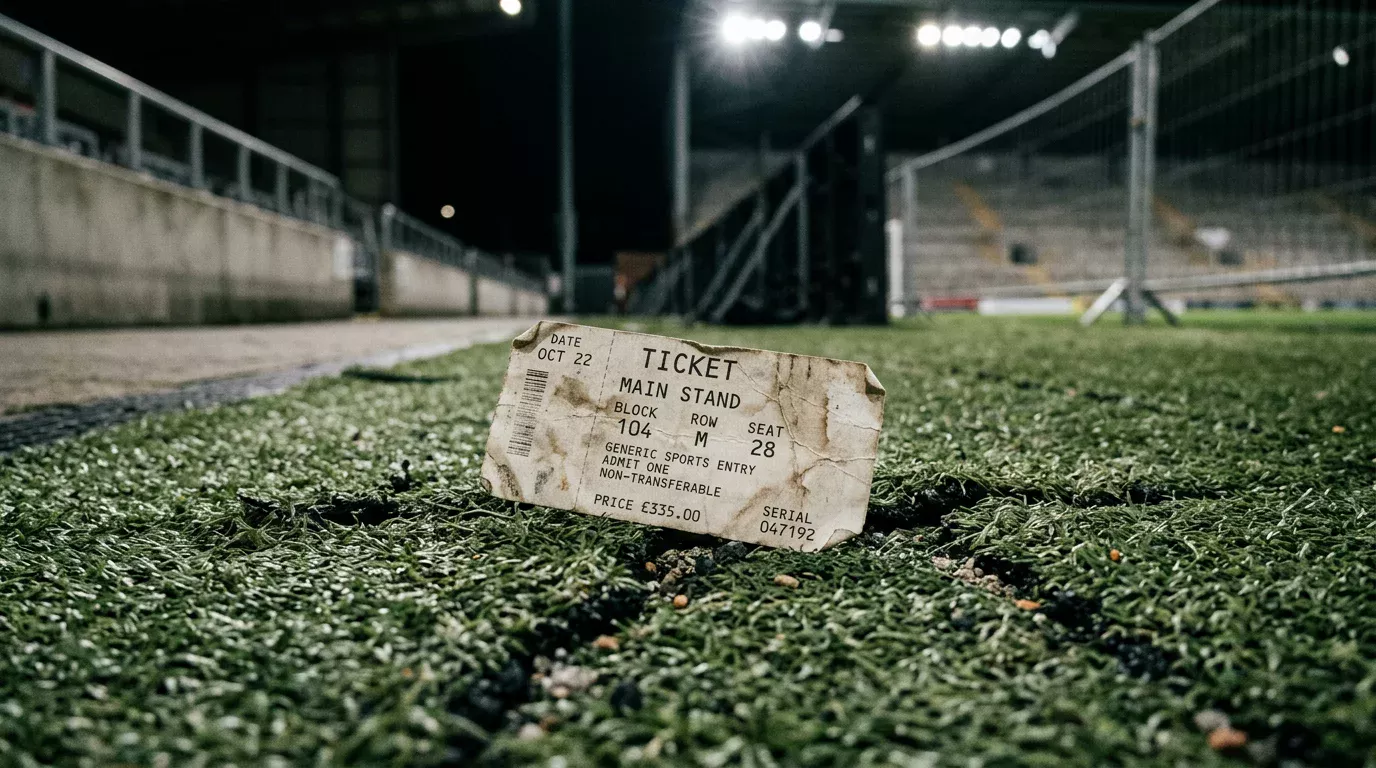
Disbelief turned to outrage the moment the emails arrived. Football fans who thought they’d landed a once-in-a-lifetime chance to attend the 2026 World Cup for free are now facing a harsh ultimatum: pay up, or your ticket is gone. Supporter groups online have shifted from celebration to fury after FIFA confirmed it is demanding payment from recipients of free World Cup tickets, mistakenly issued due to a technical error.
For days, the story has ricocheted through fan communities. A glitch in FIFA’s ticketing system let users claim tickets without paying a cent. Social media buzzed with tales of frantic excitement, lightning-fast clicks, and dreams coming true for supporters who never imagined they’d afford a seat at football’s grandest stage. That joy didn’t last. FIFA soon began contacting those affected, insisting tickets would only be valid if paid for in full.
Backlash was swift. “We feel betrayed,” wrote one fan in a post that quickly went viral. “How can they give us hope and then snatch it away?” Anger is everywhere, with many calling FIFA’s response “callous” and “tone-deaf.” Some fans say they genuinely believed the zero-cost tickets were part of a promotion or outreach effort. For those who see the World Cup as more than just a tournament, a symbol of unity, dreams, and football’s unpredictable magic, the disappointment cuts deep.
Human Cost Overshadows Administrative Error
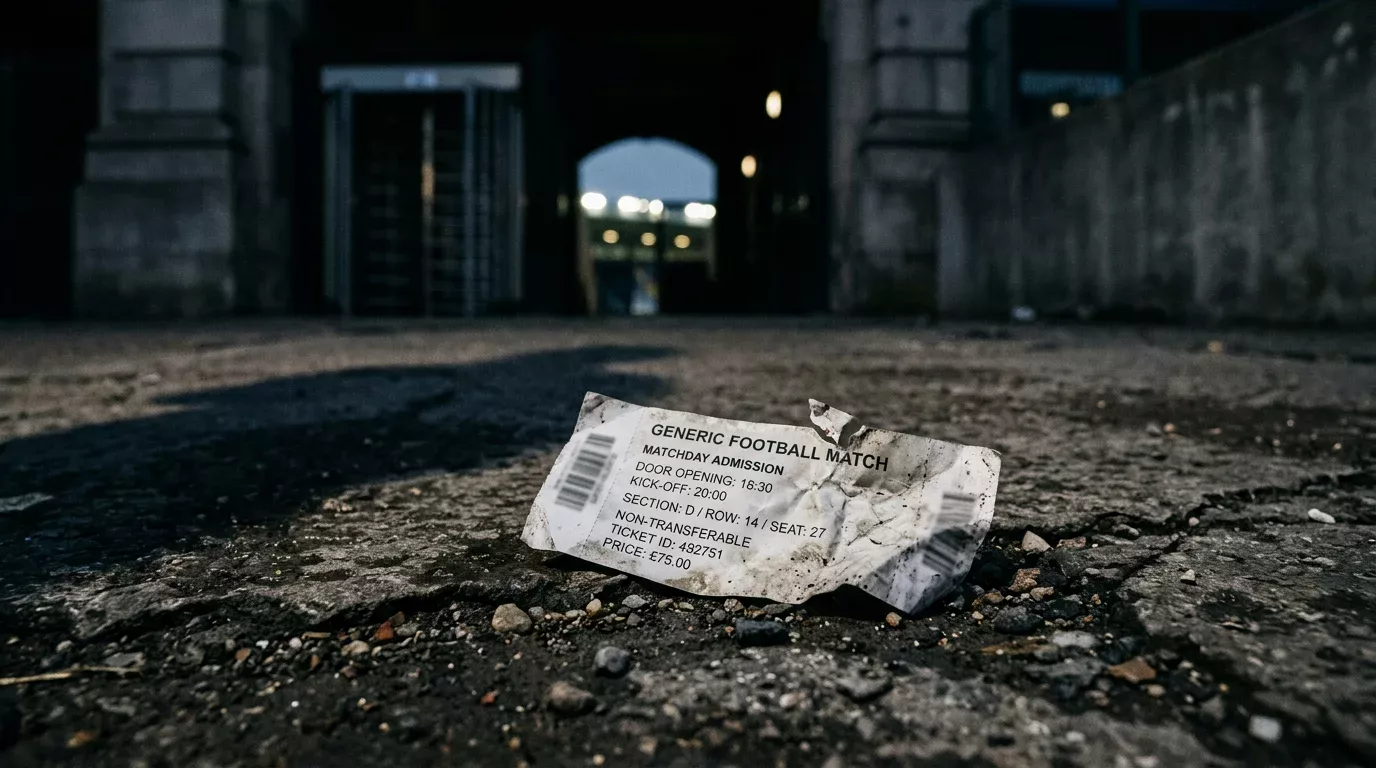
This isn’t just about money. For many, football is woven into the fabric of everyday life. The 2026 tournament, set to unfold across the United States. Canada, and Mexico, was billed as the most accessible World Cup ever, with more venues and more teams. Now, for fans caught in the ticketing chaos, the tournament feels further out of reach than ever.
FIFA has told affected fans that all tickets acquired during the error must be paid for at face value or will be canceled. The organization admits the technical fault but insists the tickets were never meant to be free. That explanation has only fueled the anger. “This is the World Cup, people save for years just to attend one match,” another fan said. “FIFA should take responsibility for their mistake, not make fans pay for it.”
Debate is raging over the power imbalance between global sporting bodies and the supporters who give the game its soul. Many see this as yet another example of fans being sidelined in favor of bureaucracy and profit. Anticipation for the 2026 World Cup is at a fever pitch, and a new generation of fans is desperate to be part of history. Now, the mood is sour.
Elsewhere, the drama has cast a shadow over what should be a joyous build-up. Cape Verde, for example, is making its World Cup debut, with fans eager to bring their culture and energy to the tournament. For many, the dream of seeing their team on the world stage is now tangled in uncertainty and frustration. Supporters who thought they’d secured seats through the glitch are anxiously checking emails, unsure if they’ll be able to attend at all.
The expanded 48-team format was supposed to open the doors to more fans than ever. Instead, this incident has exposed the logistical headaches and operational pitfalls of staging such a massive event. FIFA’s infrastructure and ticketing processes are under renewed scrutiny. Smooth operations matter just as much as the spectacle on the pitch. For a deeper look at how off-field factors could shape the tournament, experts have pointed to the need for operational transparency, as explored in this analysis of World Cup infrastructure and logistics.
Some fans are weighing legal action or organizing petitions, hoping to pressure FIFA into honoring the tickets or at least offering a compromise. Others are simply heartbroken, watching their dreams slip away because of a technical glitch and a governing body unwilling to budge.
With the tournament just days away, the fate of those disputed tickets hangs in the balance.
Join today and grab up to $200 bonus for your next bets!
Content assisted by AI. This article was created in whole or in part with the help of artificial intelligence.