

Boost your betting experience and get up to $200 bonus right now!
Early professional esports was a showcase of raw mechanical skill and daring individual plays. As tournament stakes soared and legendary clashes unfolded, the true battleground shifted: the meta. This ever-changing consensus on optimal strategies began to define eras, not just by the players at the keyboards, but by the revolutionary ideas that swept through teams and changed the way games were played.
A single strategic gambit could turn the world upside down. The 2010s brought seismic shifts in titles like League of Legends and Dota 2, where a support champion emerged from obscurity, a new item build flipped the late game, or a surprise lane swap left opponents reeling. These moments weren’t just tactics. They were declarations. Each one triggered a furious chase as rivals scrambled to adapt or risk being left behind.
Drama in the Draft: How Meta Calls Decide Matches
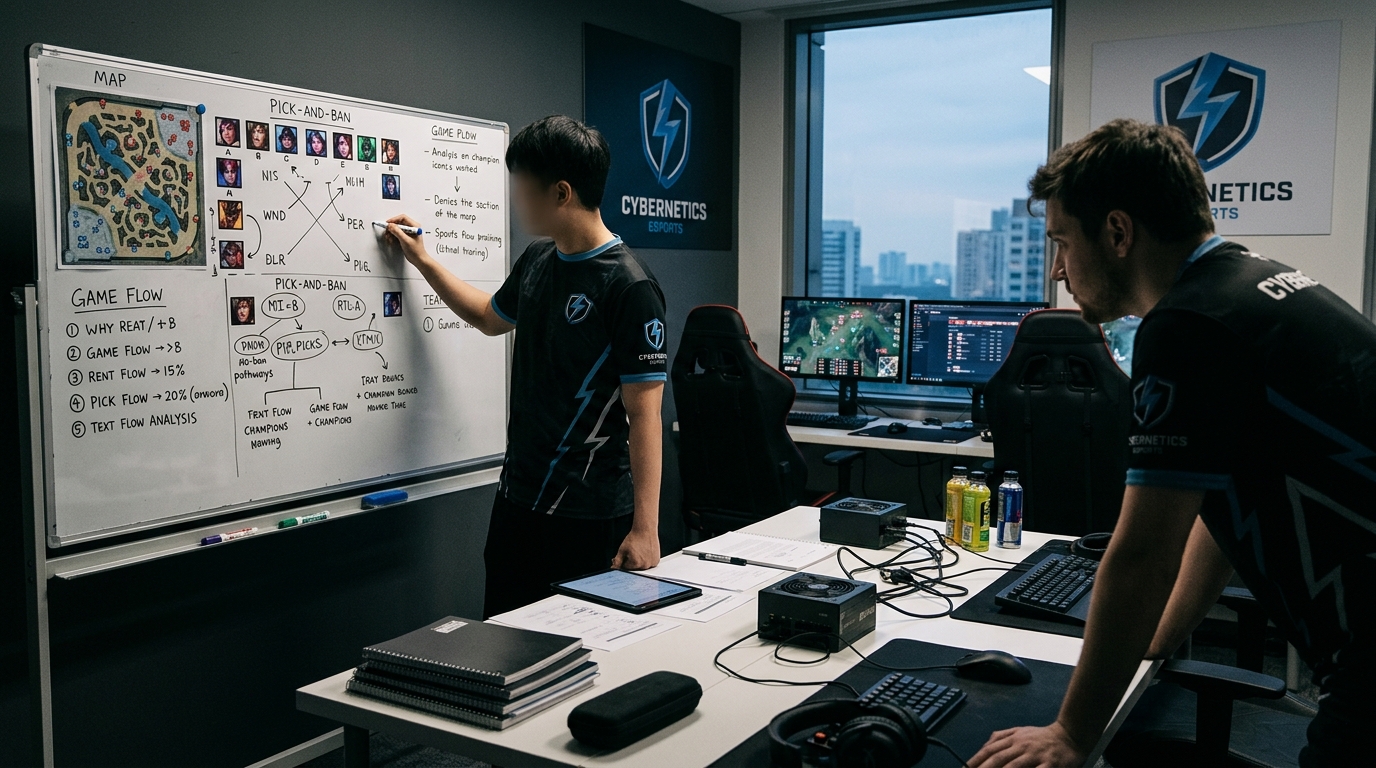
Nowhere is the drama of meta evolution more intense than in the drafting phase. One pick or ban can tilt a match before the first shot is fired. Teams that read the meta seize the initiative, pushing adversaries onto the back foot. But the real tension crackles when a team dares to challenge the established order.
Recent performance metrics reveal just how thin the margins are at the top. In the last major split, teams that successfully innovated in the draft phase posted a 68 percent win rate, compared to 52 percent for those sticking to established meta choices. Calculated risk brings reward, but failure always lurks nearby. Some of the most crushing defeats have come from bold picks that collapsed under pressure, turning promise into regret.
Players risk their reputations with every meta shift. Coaches hunt for patterns others miss. Analysts pour over hours of footage, hoping their insights pay off. A single patch can erase months of preparation, leaving teams scrambling for answers. The most adaptable squads rise. Others fade, their once-cutting-edge tactics suddenly relics.
Tactics. Rivalries, and the Relentless Race
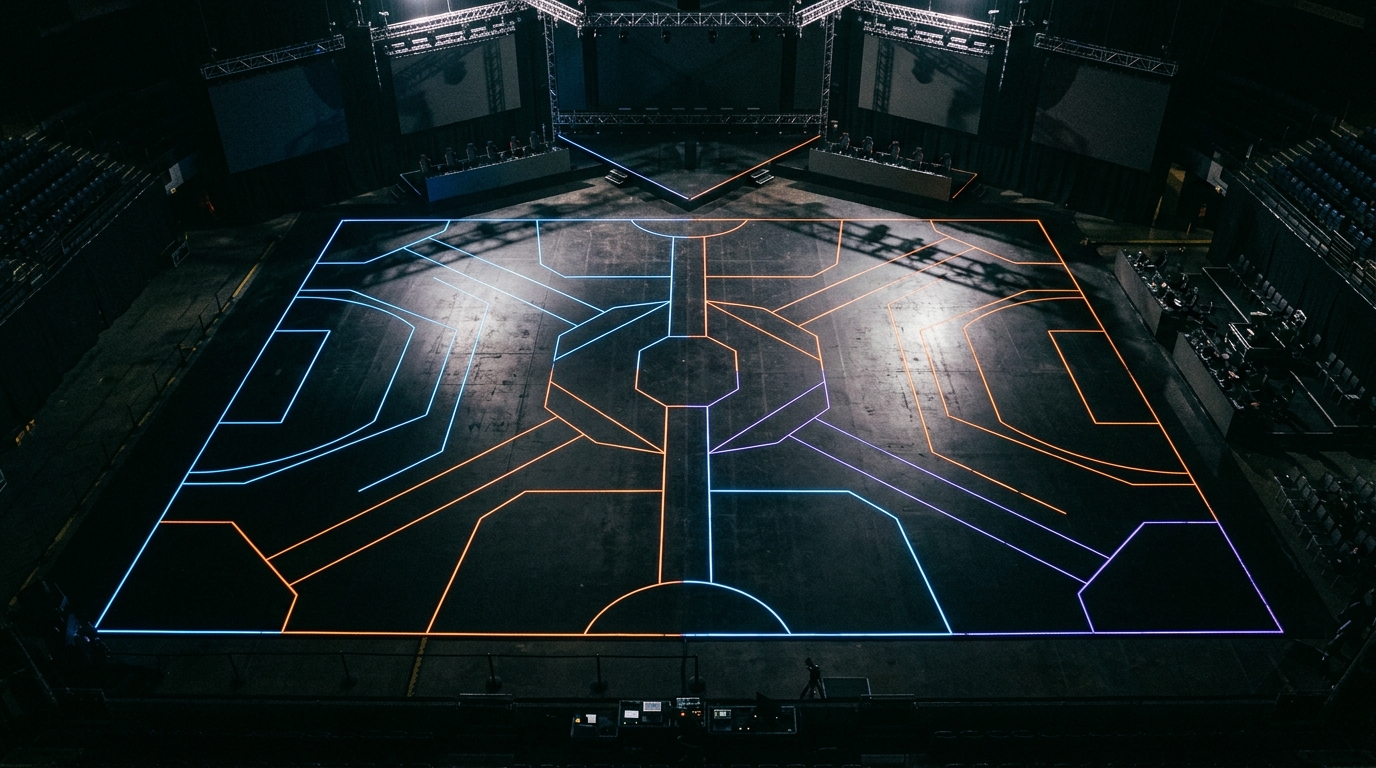
Rivalries fuel tactical evolution. Every great meta shift is born from the clash of dominant teams, each pushing boundaries in search of an edge. When one squad unveils a devastating new strategy, the rest must respond or risk irrelevance. The head-to-head record between top teams often reads like a ledger of these pivotal moments, where a new approach tips the scales.
Championships hang in the balance. Teams that adapt fastest to mid-season balance updates have claimed a disproportionate share of playoff berths in recent years. Seventy percent of finalists in the last five world championships were among the first to exploit new meta trends. This race for innovation isn’t just theorycrafting. It’s about executing under pressure, with the world watching.
Lineups change, and new personalities bring fresh perspectives. Team dynamics are tested as veterans cling to proven methods while rookies push for radical change. Sometimes unity prevails. Sometimes, internal friction leads to high-profile splits, with players seeking new homes that better fit their vision of the meta.
Why the Meta Still Matters
Meta evolution is the heartbeat of professional esports. It transforms a game from a test of reflexes into a living contest of minds. Fans remember not just the winners, but the moments when a team broke the mold and forced the world to pay attention.
Fortunes rise and fall with every patch and tournament. One truth endures: those willing to adapt, innovate, and outthink their peers will always find themselves at the center of the action. The next great meta shift could arrive at any moment, sparked by a single bold choice in the heat of competition.
Join today and grab up to $200 bonus for your next bets!
Content assisted by AI. This article was created in whole or in part with the help of artificial intelligence.