
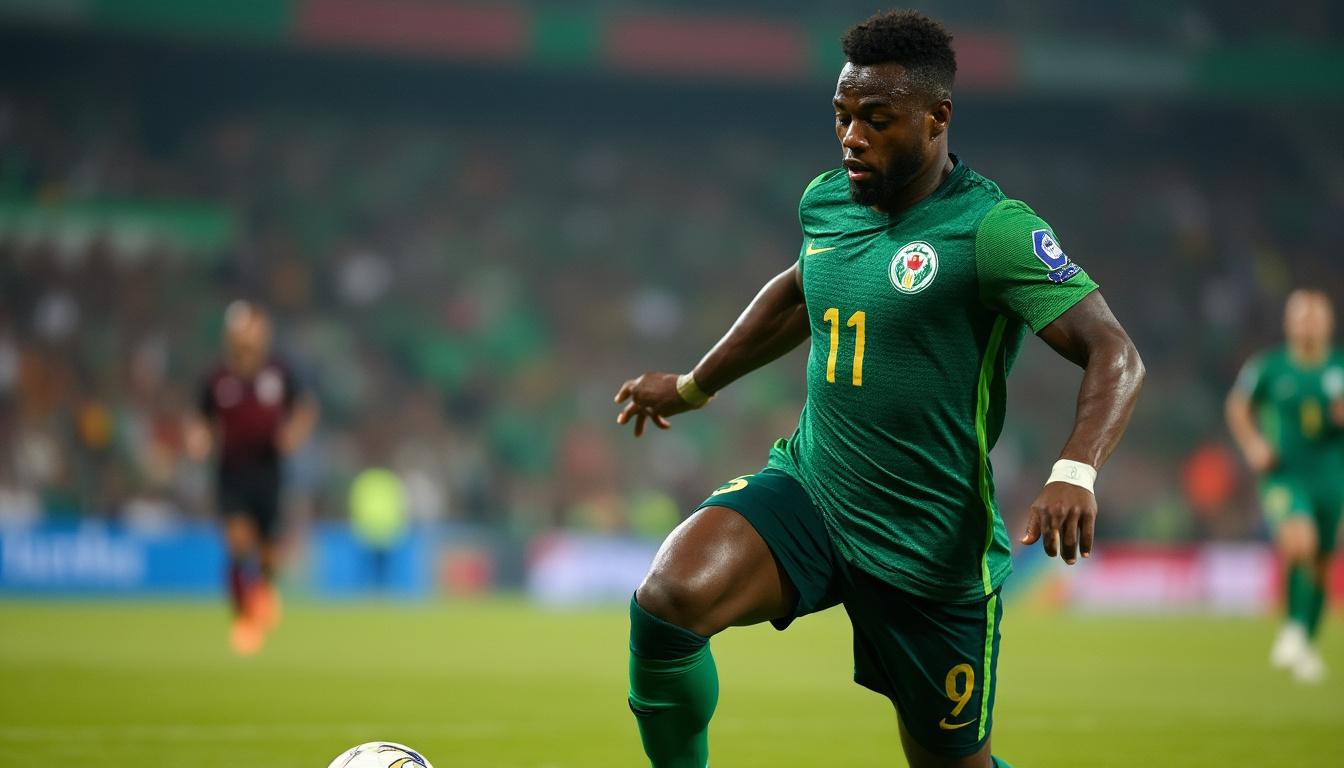
Boost your betting experience and get up to $200 bonus right now!
The Africa Cup of Nations (AFCON) 2025 is shaping up to be an extraordinary spectacle, as 24 fierce national teams converge on Morocco, bringing with them dreams soaked in history, pride, and unyielding passion. This edition promises to be more than just a football tournament—it’s a roaring celebration of African football’s relentless spirit and tactical evolution, magnified by Morocco’s electrifying home advantage. The qualification rounds held in September offered a thrilling prelude, spotlighting teams not merely on the basis of their squad star power but their strategic grit and mental toughness. From established giants like Senegal and Egypt to the ever-dynamic Ivory Coast, the landscape teems with fervor and unpredictability, ensuring that AFCON 2025 is poised to capture the imagination of fans across the globe.
In the lead-up to this grand football championship, anticipation bubbles not just for the goals and skill displays but for gripping narratives: the defending champions battling to retain their crown, hosts eager to harness roaring home crowds, and dark horses ready to upset the established order. This stage has become a battleground where legacy clashes with new energy, tactical cunning meets raw talent, and where every pass, tackle, and strike carries the weight of national pride. For anyone invested in soccer competition, understanding who the strongest contenders are heading into the group stage is key to decoding the drama that awaits.
Morocco as Host Nation: Leveraging Home Advantage and Managing Expectations
Hosting AFCON 2025 propels Morocco into the tournament spotlight, wrapping its squad in a mix of electric home support and intense pressure. The Atlas Lions aren’t newcomers to greatness; their remarkable World Cup semifinal run in 2022 cemented their rise as one of Africa’s football powerhouses. Backed by a blend of seasoned stars like Achraf Hakimi and Hakim Ziyech, alongside industrious young players such as Sofyan Amrabat, Morocco’s lineup combines pace, creativity, and disciplined midfield control. The squad’s frequent involvement in Europe’s elite leagues means they bring a level of professionalism and high-octane flair that’s rare on the continent.
The home stadiums, particularly the iconic Prince Moulay Abdellah Stadium in Rabat, radiate fervor unmatched by many, transforming football matches into pulsating festivals. The roaring fans, their chants echoing tribal traditions and unwavering passion, certainly give Morocco a psychological edge that often translates into momentum on the pitch.
Yet, despite these advantages, Morocco’s journey won’t be without hurdles. European club schedules strain their top players, risking fatigue and forcing the coach to master the delicate art of squad rotation. Defensive fragilities spotted during qualifiers underline the need for tactical refinement—opposition teams will be keen to exploit any lapses in concentration or organization. The team’s reliance on swift wing attacks and rapid transitions requires impeccable timing and in-game adaptability, especially when facing tactically versatile opponents.
Morocco’s challenges heading into AFCON 2025 include:
- Managing player fatigue amid grueling club commitments
- Addressing defensive vulnerabilities to maintain clean sheets in knockout rounds
- Expanding tactical approaches beyond their signature wing-based offenses
The fusion of tactical discipline with the fervidity of home support makes Morocco a formidable contender, but the pressure to secure their first title since 1976 means every move will be scrutinized and fiercely contested. For fans seeking a deeper dive into Morocco’s preparations, the extensive analysis on Morocco’s squad and tactical depth offers invaluable insights.
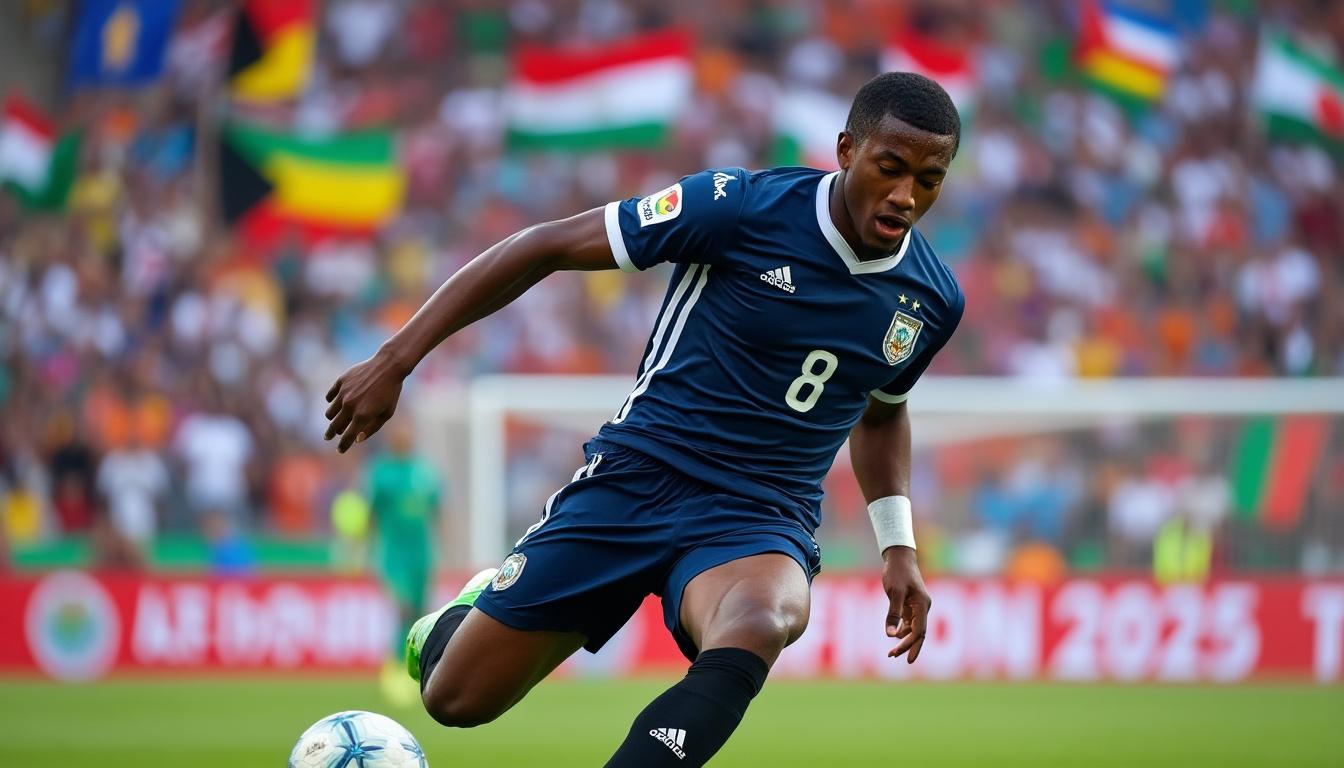
Senegal: Tactical Mastery and the Quest for Back-to-Back Glory
Senegal enters the fray as reigning champions, hungry to defend their throne with a potent blend of tactical mastery and individual brilliance. Under the leadership of Aliou Cissé, a coach known for his strategic acumen, Senegal showcased a robust, balanced side during the qualifiers. Their game plan revolves around aggressive pressing, compact defense, and swift counterattacks—a formula that secured them numerous clean sheets and dominant possession stats.
Sadio Mané remains the centerpiece of Senegal’s offensive threat. His dazzling pace, impeccable dribbling, and goal-scoring instinct have earned global sponsorships and admiration. Yet, this reliance on Mané’s creativity poses a strategic vulnerability; if opponents succeed in neutralizing him, Senegal’s attack risks becoming predictable. Adding depth and diversity to their forward line is a pressing challenge for Cissé.
Furthermore, balancing player fitness is critical. Many of Senegal’s stars juggle heavy European club schedules, making injury prevention and rotation vital to their sustained success in the grueling tournament format. Veteran defenders like Kalidou Koulibaly bring resilience and leadership, anchoring a backline that has become increasingly disciplined over recent campaigns.
Senegal’s strengths lie not only in individual talent but in a cohesive team ethos, disciplined execution, and the mental toughness carved from past African Cup of Nations triumphs. Their compelling story, woven with high stakes and the weight of expectation, positions them as one of the strongest favorites this year.
To explore Senegal’s build-up and tactical nuances in detail, the warm-up favorites preview section offers a comprehensive assessment of their readiness.
Egypt’s Pharaohs: Navigating Legacy and the Pressure of Mohamed Salah’s Leadership
Egypt arrives at AFCON 2025 with the heaviest badge of honor: seven titles make the Pharaohs Africa’s most successful national team in the tournament’s history. Their pedigree brings tremendous respect but also enormous pressure to deliver on expectations. Central to Egypt’s hopes is Mohamed Salah, a global icon whose blistering pace, precise finishing, and aerial prowess make him a constant threat. Salah’s endorsements with Nike symbolize his worldwide status and amplify the national and global attention on his every move.
September’s qualifiers revealed Egypt’s traditionally steady but cautious playing style, often focused on maintaining defensive solidity and carefully constructed build-ups. This approach yields control but sometimes stifles creative offensive bursts, limiting sustained pressure on opponent defenses. Fans and analysts alike crave a more dynamic attacking mindset that can break stalemates in tightly contested matches.
One of Egypt’s biggest tactical concerns is the overreliance on Salah. Opposing teams consistently plan to clamp down on him, forcing Egypt to look elsewhere for breakthroughs. Developing comprehensive midfield creativity and allowing other forwards to shine will be critical to unlocking new dimensions in their game.
With a youth integration strategy squirreled alongside their experienced class, Egypt aims to rejuvenate its squad depth. This balance could prove decisive in navigating the tournament’s intense knockout phases where stamina, faith in emerging talent, and tactical flexibility all intertwine.
For those keen to peel back layers on Egypt’s evolving squad and preparations, the latest team updates provide detailed insights.
Ivory Coast: Attacking Flair Meets Defensive Fragility in the Quest for Glory
The Ivory Coast emerges as a tantalizing mix of potent offensive firepower and defensive uncertainty. Their frontline boasts imposing figures like Sébastien Haller and Franck Kessié, whose combined technical skill and physicality provide a compelling edge. Rakuten-sponsored and clad in Puma kits, the Elephants’ squad encapsulates both heritage and ambition — a generation ready to translate individual brilliance into team success.
Yet during September’s qualifiers, cracks in their defensive foundation appeared evident. Opponents exploited lapses in organization and transition defenses, showcasing vulnerabilities that could threaten Ivory Coast’s deep run if left unaddressed. Coach Patrice Beaumelle faces the intricate task of reinforcing defensive cohesion without stifling the team’s attacking verve.
Fans admire Ivory Coast for their blend of youthful exuberance and seasoned leadership, creating an unpredictable and thrilling style of play. Their tactical evolution seeks to harness both aggression and structure, allowing them to withstand the intense pressure cooker environment of the knockout rounds.
Key strategic focuses for the Elephants heading into AFCON are:
- Strengthening defensive organization to thwart counterattacks
- Maintaining offensive fluidity with coordinated buildup play
- Augmenting player endurance for high-tempo matches
Diving into more narratives about Ivory Coast and other emerging forces can be rewarding for enthusiasts who follow underdogs shaking up AFCON’s usual hierarchy.
Analyzing Top Contenders and Rising Threats Based on Recent Performances
The post-qualifiers viewset creates a compelling tableau revealing the diverse tactical styles and squad dynamics defining the strongest contenders heading into the group stage of this African Cup of Nations. Morocco, Senegal, Egypt, and Ivory Coast stand tall but must remain vigilant as other nations bring fresh energy and disruptive potential to the soccer competition.
| Team | Main Strength | Main Weakness | AFCON Titles |
|---|---|---|---|
| Morocco | Home advantage and emerging golden generation | Host nation pressure and risk of player fatigue | 1 |
| Senegal | Balanced squad, tactical discipline | Heavy reliance on Sadio Mané for attack | 1 |
| Egypt | Rich historical experience, Mohamed Salah’s leadership | Overdependence on Salah, conservative playstyle | 7 |
| Ivory Coast | Powerful attack with a mix of youth and experience | Defensive lapses against fast opponents | 2 |
Beyond the top four, attention shifts to underdogs making waves, including teams like Nigeria and Zimbabwe, who bring unpredictability and tactical savvy capable of altering group dynamics. Fan-fueled narratives about these hopeful challengers often underscore the unpredictable magic of AFCON dark horses ready to defy expectations. Climate factors, coaching rotations, and the relentless pressure of national pride will further influence how these teams navigate the demanding group stage.
Those itching for granular tactical intel and fixture previews will find the December match insight and detailed tournament previews indispensable for understanding the layers beneath this thrilling contest.
Join today and grab up to $200 bonus for your next bets!
Content assisted by AI. This article was created in whole or in part with the help of artificial intelligence.