
Boost your betting experience and get up to $200 bonus right now!
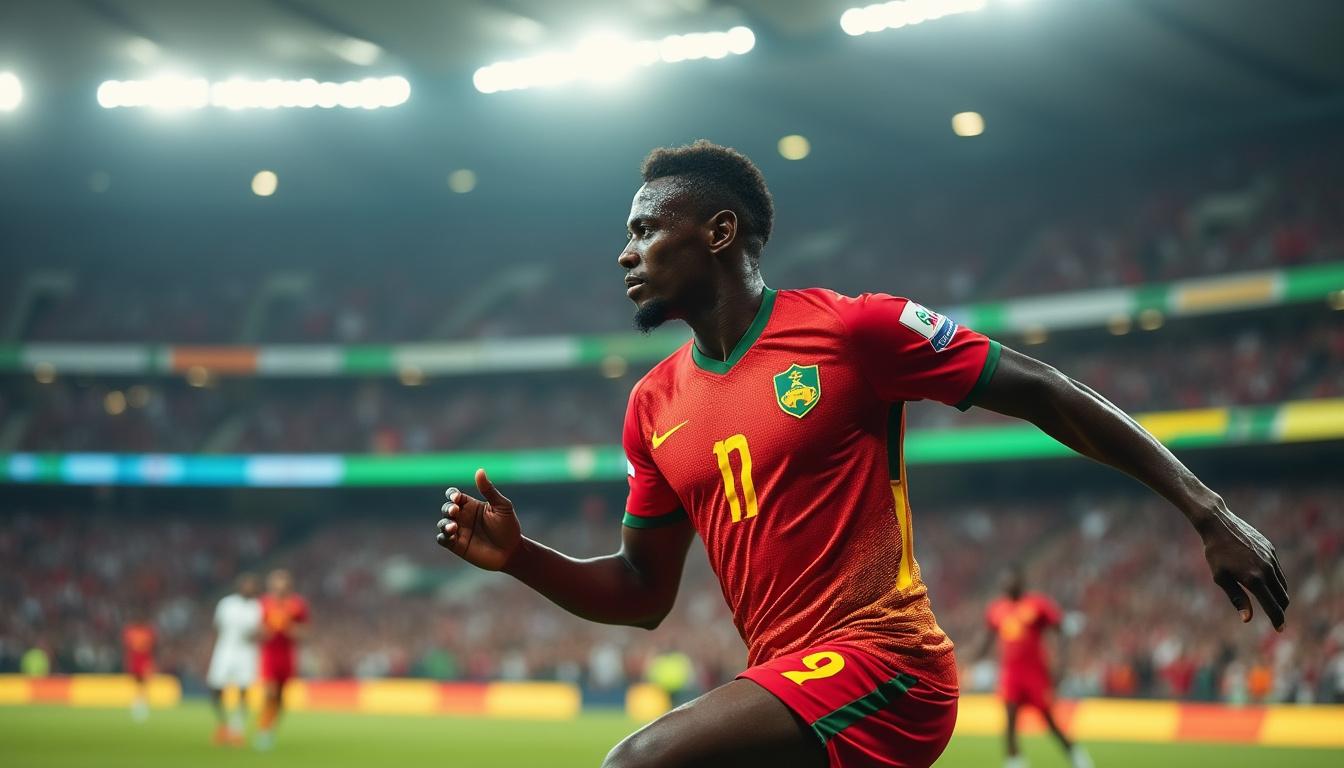
The Africa Cup of Nations (AFCON) of December 2025 unfolds not merely as a football tournament but as a spectacular mosaic where playing styles reflect the intricate cultural identities and evolving tactics defining African football today. This competition, hosted in Morocco’s modernized stadiums, is a battleground where team strategies mirror centuries-old traditions, contemporary coaching philosophies, and a fierce pride in national heritage. The clash of styles from the rapid counterattacks of West African teams to the compact defensive discipline seen in North African sides reveals how diverse approaches have become a core part of AFCON’s emotional grip on fans across the continent and beyond.
As Africa’s most anticipated football event, AFCON 2025 gathers 24 teams, each bringing distinct tactical blueprints and dynamic player roles shaped by both domestic leagues and elite European competitions. This blend of raw passion and professional refinement is turning the tournament into a global football spectacle impossible to ignore. Yet, beneath the brilliant goals and intricate dribbles lies an undercurrent of identity; a strategic DNA woven deeply with the continent’s history, belief systems, and social fabrics. The playing styles are not random—they are stories, struggles, and triumphs narrated on the pitch with every pass, tackle, and finish.
How Diverse Playing Styles Express National Identities in AFCON
African football teams do not just compete; they tell stories of their people, showcasing identities through their unique playing styles. The fast-paced, electrifying football often associated with Senegal and Nigeria differs profoundly from the methodical, possession-based approach favored by Tunisia or Morocco. This diversity is a reflection of each nation’s cultural milieu, coaching philosophies, and player development pathways. For example, the Senegalese style incorporates a lot of high-intensity pressing and rapid transitions, echoing the country’s wrestling culture, which emphasizes speed, strength, and strategic agility on the ground. In contrast, Morocco relies on a more systematic, patient build-up approach that blends technical precision with tactical discipline, gaining international recognition as it prepares to host the tournament in multiple state-of-the-art stadiums.
These distinctive styles go beyond tactics. They represent on-field manifestations of national character, ambitions, and collective experience. Ghana’s disciplined, hard-nosed approach — honed over decades — symbolizes resilience and commitment, while countries like Egypt draw upon a storied tradition of technical finesse combined with a psychological edge refined through multiple AFCON triumphs. Each style is a statement: a way of imposing identity in a continent where football is inseparable from cultural pride and community spirit.
On the strategic front, the tournament reflects a shift in African football towards greater tactical sophistication. Coaches are blending traditional flair with modern frameworks, influenced by their experiences in Europe’s top leagues. This evolution is evident in how teams deploy formations such as the flexible 4-3-3 or the robust 3-5-2, balancing creative freedom with defensive solidity. Player roles have similarly expanded, requiring forwards not only to finish but also to initiate pressing schemes, while midfielders double as connectors and disruptors depending on the phase of play.
AFCON 2025’s playing styles also frame rivalries that electrify the tournament atmosphere. The historic competition between Senegal and Algeria, for example, is about much more than points on the board; it is a cultural duel that fans follow with fevered passion, enhancing the drama and intensity of every encounter, as detailed in this exploration of their rivalry. These battles on the pitch become symbolic rounds in broader national narratives, where triumphs and losses resonate far beyond the stadium walls.
Integration of Tradition and Modern Tactics Shaping AFCON Football Today
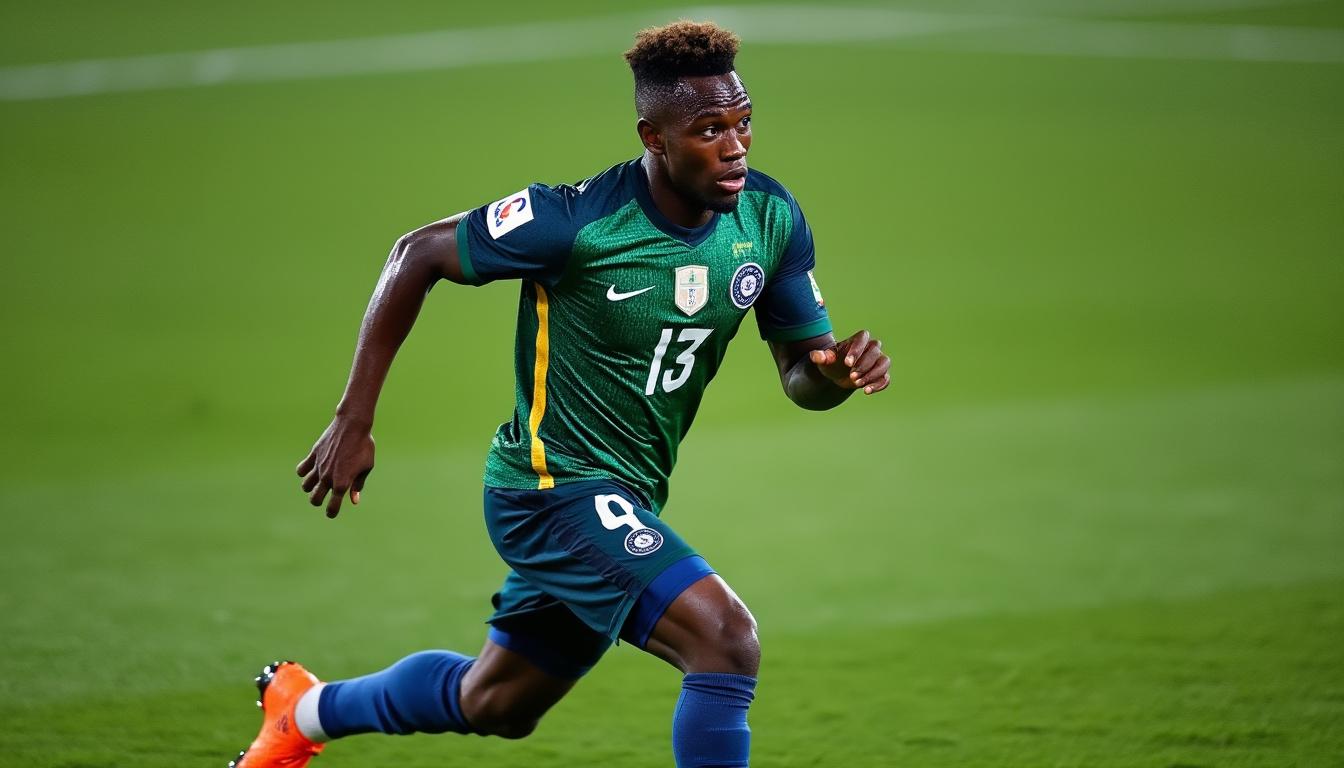
One of AFCON’s most compelling characteristics is the seamless integration of tradition and modern tactics — a fusion that shapes the tournament’s riveting football identity. African teams maintain deep-rooted rituals and cultural beliefs that influence psychological readiness and performance. Yet, alongside these traditions, cutting-edge sports science and analytic tools increasingly inform decision-making, offering a fascinating blend seldom seen in other international competitions.
Teams in December 2025 operate in an environment where rituals coexist with video analysis, GPS tracking, and data-driven tactical adjustments. For instance, many national squads continue to embrace spiritual preparations — from collective prayers reflecting Africa’s diverse religious landscape to mental exercises inspired by ancestral respect — which instill calm and collective focus amid the tournament’s intense pressures. This cultural grounding provides a resilience that complements the scientific methods coaches employ to optimize player fitness and tactical execution.
At the same time, the tactical approaches reveal a conscientious study of opponents, utilizing flexible formations that can shift mid-game, exploiting weaknesses or shoring up defences as needed. The rise of African coaches with European experience has led to the adoption of systems emphasizing ball retention, positional discipline, and high pressing when out of possession. Teams like Cameroon and Egypt showcase this balance, blending flamboyant attacking play with disciplined defensive structure.
Moreover, the use of set-piece routines — meticulously practiced and often inspired by coaches’ diverse influences — illustrates this hybridization perfectly. Teams invest hours preparing corners, free-kicks, and throw-ins to gain marginal advantages. For example, Nigeria’s emphasis on physicality and aerial dominance contrasts with Morocco’s intricate short corners, highlighting how different tactical philosophies coexist on African soil.
This dynamic interplay between heritage and innovation makes AFCON a showcase of football evolution and a testament to the continent’s adaptability. It’s no coincidence that growing global attention, as highlighted in key football federation decisions, points to African football stepping confidently onto the world stage, asserting tactical sophistication and competitive might.
Essential Tactical Features Defining African Football at AFCON
- Flexibility in formations: The ability to quickly switch between defensive and attacking shapes.
- Physical intensity: High levels of fitness allowing relentless pressing and counterattacking.
- Technical flair mixed with discipline: Skillful dribbling and creative combinations combined with strategic order.
- Set-piece complexity: Well-drilled routines maximizing scoring opportunities.
- Psychological preparation: Mental strength bolstered by cultural rituals and team unity exercises.
Player Roles and Match Analysis: The Building Blocks of AFCON 2025
Understanding player roles in AFCON 2025 reveals how individual talents interlock with team plans to create the beautiful game celebrated across the continent. Each squad’s tactical blueprint demands versatility and awareness, with players often required to adapt dynamically as matches unfold.
Forward lineups emphasize multi-dimensional attackers. Strikers like those seen in recent tournaments combine traditional poaching instincts with link-up play to involve midfield runners, displaying a tactical intelligence that unsettles defenders. Wingers and attacking midfielders are expected not only to beat opponents 1-on-1 with flair but also to track back and participate in defensive transitions. A neat example lies in how teams like Algeria utilize forwards who disrupt opposing defenders while initiating pressing triggers from the front.
Midfield battles in AFCON are intense and crucial; midfielders act as tactical anchors controlling tempo, creating chances, and breaking up opposition play. Defensive midfielders shield the backline, often tasked with man-marking or initiating quick counters. Central midfielders juggle distribution and energy, while attacking midfielders provide creativity and final passes that unlock tightly packed defenses. This multidimensional role distribution has been instrumental in narrowing gaps between African teams and global powers.
At the back, defenders must be mentally and physically sharp, combining traditional toughness with modern tactical awareness. The rise of ball-playing centre-backs capable of starting attacks with accurate long passes exemplifies the advanced team strategies emerging within the tournament. Full-backs frequently double as auxiliary wingers, tasked with overlapping runs that widen play and create cross opportunities.
Goalkeepers also play pivotal roles, acting as last lines of defence and vocal leaders organizing the team’s shape. In AFCON’s fast-paced games, goalkeepers’ shot-stopping agility combined with sharp distribution skills often shifts momentum instantaneously.
Match analysis in AFCON 2025 frequently highlights how these player roles blend within systems. In intense group stage clashes or knockout battles, tactical nuances can tip the scales—such as a subtle formation tweak that nests a playmaker in pockets of space or a defensive midfielder’s timely interception preventing a counterattack. These intricacies emphasize the sophistication behind what fans experience as thrilling and emotional encounters.
| Player Role | Responsibilities | Example Teams in AFCON 2025 |
|---|---|---|
| Striker | Goal scoring, linking up with midfield | Senegal, Nigeria |
| Attacking Midfielder | Create chances, dribble, assist | Morocco, Egypt |
| Defensive Midfielder | Shield defence, disrupt opponent play | Cameroon, Tunisia |
| Full-back | Defend flanks, support attack | Algeria, Ghana |
| Goalkeeper | Shot stopping, direct defence | Ivory Coast, South Africa |
The Role of Fan Atmosphere and Football Diplomacy in Shaping AFCON’s Identity
Part of what makes the playing styles at AFCON 2025 so iconic is how they resonate with electrifying atmospheres created by fans who pour their passion into every moment. African football fandom is legendary, manifesting as loud chants, colorful displays, and unwavering support that transforms stadiums into cauldrons of emotion. This intense fan environment influences how teams play, often amplifying their determination and inspiring moments of genius under pressure.
The cultural significance of AFCON is heightened by the sense of unity and sometimes rivalry it fosters among nations. Football acts as both a mirror and a means of diplomacy, allowing countries to express identity, forge friendships, or engage in fierce competition without physical conflict. This element of football diplomacy is increasingly recognized as integral to the tournament’s power, as outlined in literature on African football diplomacy.
Fan atmospheres at venues across Morocco’s hosting cities are expected to be extraordinary during this tournament. From the thunderous support in packed stadiums to coordinated fan displays, the environment pushes players to elevate their match performance. The blend of joy, tension, and hope permeating the stands crafts an experience unique to AFCON, as described in detail in comprehensive fan atmosphere reports.
Managing this dynamic atmosphere demands teams that can grasp tactical discipline while responding fluidly to the emotional highs and lows. Coaches often acknowledge the challenge of guiding players through the rollercoaster of chemistry between fans and team momentum, a factor that decisively impacts playing styles seen throughout the competition.
Key Aspects of AFCON Fan Influence on Playing Styles
- Home advantage amplified by vocal crowds: Teams adapt to and draw energy from their supporters.
- Psychological endurance: Players develop mental toughness to perform under intense scrutiny.
- Inspiration for flair and creativity: Fans encourage attacking play and risk-taking.
- Unity and identity display: Fans embody national pride that feeds into team spirit.
- Atmospheric pressure shaping tactical choices: Coaches adjust strategies factoring crowd impact.
The extraordinary support combined with evolving tactical depth cements AFCON as both a football spectacle and a cultural festival, reinforcing the idea that African identities come alive through their unique footballing expressions.
Join today and grab up to $200 bonus for your next bets!
Content assisted by AI. This article was created in whole or in part with the help of artificial intelligence.